Finding the right condo in Austin can feel like a puzzle, especially when listings range from a few thousand dollars to half‑a‑million. I’ll walk you through the exact steps I use with my clients so you can move from searching to signing with confidence.
Table of Contents
- Step 1: Define Your Austin Condo Budget and Must-Haves
- Step 2: Search Austin Condo Listings and Compare the Building, Not Just the Unit
- Step 3: Review HOA Documents, Financials, and Special Assessments
- Step 4: Complete Inspections, Financing, and Contract Due Diligence
- Step 5: Make an Offer and Close With a Coordinated Austin Real Estate Team
- Frequently Asked Questions About Austin Condos for Sale
Step 1: Define Your Austin Condo Budget and Must-Haves
Start with a clear budget. Get a fully underwritten pre‑approval, not just a pre‑qualification, because most Austin agents won’t show you units without it. A solid pre‑approval tells lenders you can cover the loan, the HOA dues, and any unexpected costs.
Next, map out what you need in a condo. Do you require a balcony, a certain number of bedrooms, or a pet‑friendly building? Write those must‑haves down and rank them. I’ve seen buyers miss an important need simply because they didn’t list it early.
Use current market conditions as a guide. Condo prices and costs per square foot vary, so set a realistic ceiling for what you can afford once you factor in the mortgage rate and Travis County property tax.
Don’t forget that you may spend extra on a structural‑engineer report. Austin’s clay soil shifts, and a good report can save you costly repairs later.
When you have a number, check the Austin Home Buyer’s Guide on my site for a printable worksheet that walks you through income, debt, and down‑payment calculations.
Key Takeaway: A firm pre‑approval and a ranked must‑have list keep your search focused and your offers credible.
By the end of this step you should have a budget range, a list of non‑negotiables, and a pre‑approval letter in hand.
 Step 2: Search Austin Condo Listings and Compare the Building, Not Just the Unit
Pull listings from multiple sources, the MLS, local broker sites, and reputable aggregator portals. A single listing can hide details that other sites reveal, like the exact HOA fee or recent price adjustments.
When you spot a unit, look beyond its square footage. Compare the building’s amenities, age, and reserve health. In downtown Austin, a condo with well-maintained amenities may be a better long‑term investment than a cheaper unit in a building with aging systems.
Pay attention to how many units in the building are on the market. If three or more similar condos are listed, buyers have more room to negotiate price or request concessions.
Use my Featured Listings page to see which buildings I’ve already vetted. Those listings include HOA fee estimates and reserve snapshots, saving you a trip down the rabbit hole.
Finally, note any short‑term‑rental restrictions. Austin’s 2025 rule caps rentals at either one unit or 10 % of the building, whichever is higher. If you plan to rent the unit later, confirm the building’s current rental count.
Pro Tip: Create a simple spreadsheet that lists each building, its HOA fee, reserve percent funded, and any rental caps. Spot patterns quickly and avoid buildings with low reserve funding.
At this point you’ll have a shortlist of buildings that meet your must‑haves and budget.
Step 3: Review HOA Documents, Financials, and Special Assessments
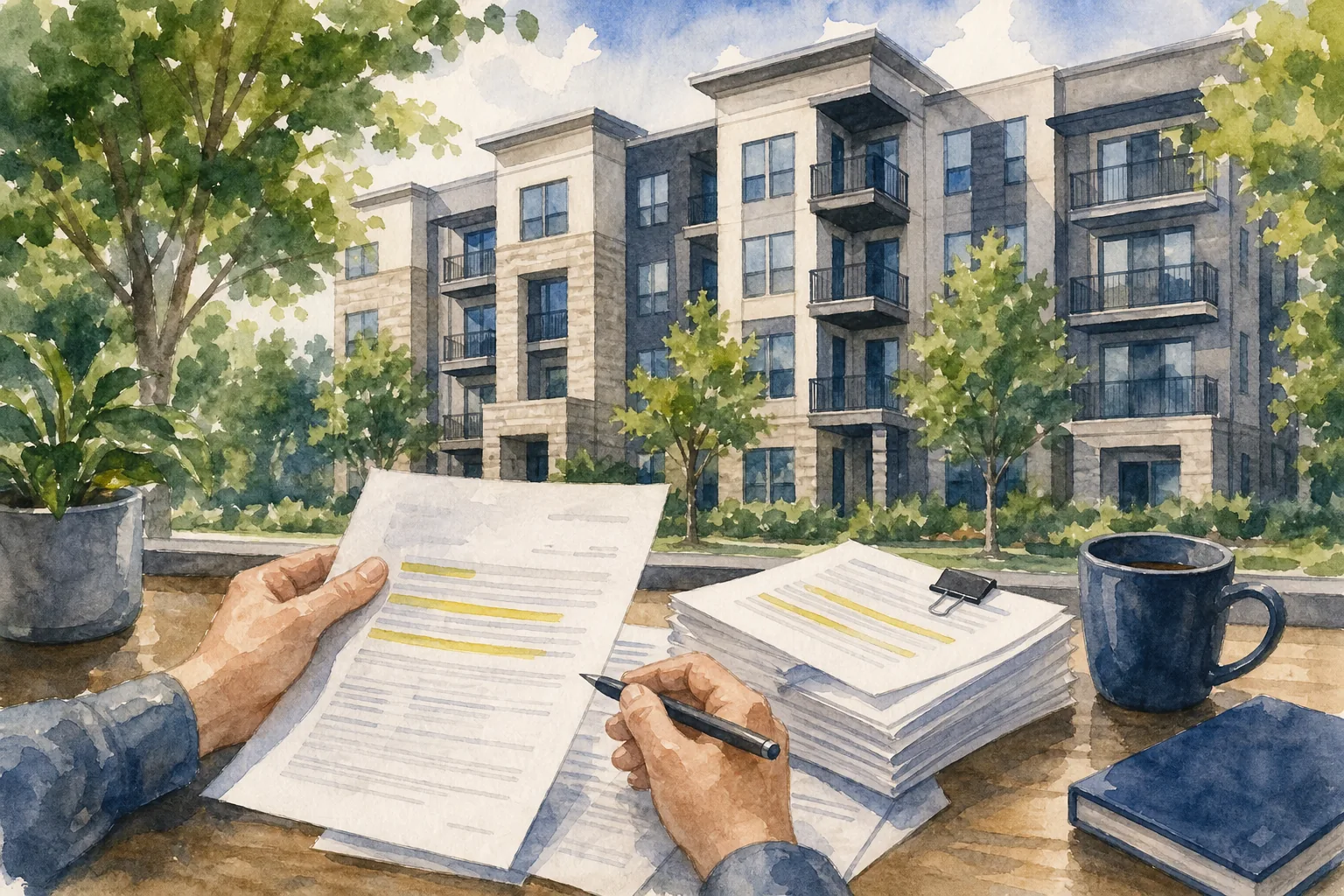
The HOA is the hidden engine of condo ownership. Ask the seller’s agent for the HOA resale certificate, reserve study, and the most recent budget. Those papers reveal how much cash the association has set aside for big repairs like elevator upgrades or façade work.
Look for the reserve percent funded. A healthy reserve sits close to the ideal balance. Anything significantly below the ideal balance is a red flag that the board may levy special assessments soon.
Check the timing of upcoming capital projects. If a major roof replacement is scheduled within the next two years and reserves are low, expect a special assessment that could add a few hundred dollars to your monthly dues.
Also scan the minutes for any litigation or insurance deductible issues. A high per‑loss deductible can trigger a special assessment after a storm.
When you spot a concern, you can ask for a seller credit at closing or negotiate that the seller covers any pending assessment.
 By the end of this step you should know the true monthly cost, any upcoming fees, and whether the building’s finances feel solid.
Step 4: Complete Inspections, Financing, and Contract Due Diligence
Schedule a thorough inspection that covers the unit’s interior and the building’s common systems. In Austin, ask the inspector to check the roof, pool equipment, and HVAC units for each tower, not just the private unit.
Secure financing that accounts for HOA dues. Lenders will run a debt‑to‑income test that includes those dues, so your loan amount may be lower than the purchase price if the HOA fee is high.
Review the purchase contract carefully. Include contingencies for financing, inspection results, and any unresolved special assessments. A well‑written contingency protects you if the inspection uncovers a major issue.
If you need a mortgage, I often recommend working with a lender familiar with Texas condo financing because not all lenders will approve condos with low reserve balances.
My team at Austin Real Estate Guide can coordinate the title company and inspector so you have a single point of contact throughout the process.
When all reports are clean and financing is locked, you’ll be ready to make an offer.
Step 5: Make an Offer and Close With a Coordinated Austin Real Estate Team
Draft an offer that reflects the market data you gathered. If the building’s reserves are strong, you can justify a higher price. If reserves are weak, ask for a credit to cover potential assessments.
The offer should reference the resale certificate and any inspection findings. Including those references shows the seller you’ve done your homework.
Once the seller accepts, the escrow process kicks in. Your title company will request the final HOA resale certificate.
Coordinate with a trusted closing attorney or title agent to review the settlement statement. Verify that HOA dues, transfer fees, and any seller‑paid credits are correctly listed.
On closing day, you’ll sign the deed, pay the down‑payment, and receive the keys. My role is to keep the timeline tight, answer any last‑minute questions, and make sure the HOA paperwork arrives on time.
Key Takeaway: A clean offer that ties price to HOA health and inspection results reduces surprises at closing.
After the keys are in your hand, set up automatic HOA payments and enjoy your new Austin condo.
Frequently Asked Questions About Austin Condos for Sale
What is the typical price range for Austin condos in 2026?
Most condos sit between $200,000 and $300,000, with a median of about $206,500. Outliers below $5,000 are usually data errors.
Do I need a special loan to buy a condo?
Condo loans are available, but lenders will look at the HOA’s reserve fund and any pending assessments before approving a conventional loan.
How much are HOA fees in Austin?
HOA fees vary widely, often ranging from $200 to $500 per month. Exact numbers aren’t listed on most public sites, so ask for the resale certificate early.
Can I rent my condo short‑term?
Short‑term rentals are allowed only if the building’s rental cap isn’t reached and the HOA bylaws permit it. Austin’s 2025 rule caps rentals at one unit or 10 % of the building.
What should I look for in a reserve study?
Focus on the reserve percent funded, the projected life of major components, and whether the HOA’s annual contributions match the study’s recommendations.
How long does the closing process take?
Closing usually takes 30‑45 days after the offer is accepted, assuming financing, inspections, and HOA paperwork are completed on schedule.
Ready to start your search? Reach out to me, Robbie English, REALTOR, Broker, and let’s turn your condo goals into a reality.