You’ve just seen the “under contract” label on a listing and wonder what it really means. It’s not a final sale, but it’s more than a hopeful offer. Below you’ll find a clear walk‑through of the term, the steps that follow, the risks, and how to protect yourself.
What “Under Contract” Means for the Buyer and Seller
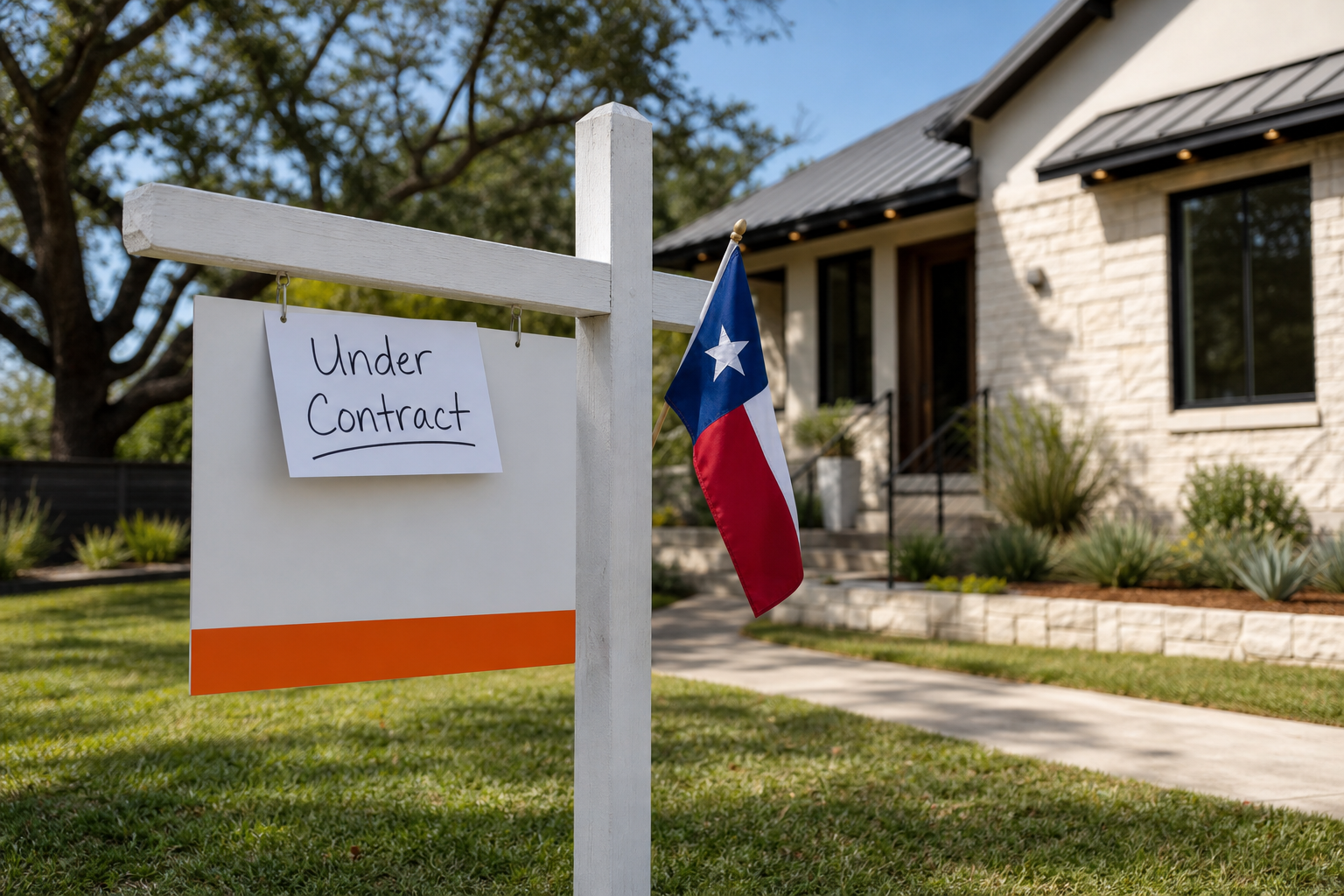
In Texas, “under contract” means the seller has signed a purchase agreement and the buyer has put down earnest money. Both sides are now bound by the contract, but the deal won’t close until every contingency is cleared.
The contract is a legally binding real‑estate contract that spells out price, closing date, and any conditions the buyer or seller can rely on to walk away. Wikipedia explains that a real‑estate contract creates enforceable rights for both parties. The buyer typically deposits 1‑3 % of the price as earnest money, which sits in escrow and counts toward the down payment at closing.
For the buyer, the agreement gives a safety valve, if an inspection reveals a major defect, the buyer can request repairs, a price cut, or cancel and get the deposit back. For the seller, the contract locks in a committed buyer and signals to other agents that the home is off the market, even though backup offers may still be accepted.
My team at “Under Contract” Status in Multiple Listing Service helps clients understand these clauses and set realistic expectations for the next 30‑60 days.
What Happens During the Under-Contract Period?
Once the contract is signed, a clock starts ticking. Most Texas deals give 30 to 60 days to satisfy contingencies. The timeline usually looks like this:
- Day 1‑3: Earnest money is deposited and the option period begins.
- Day 5‑10: Home inspection is scheduled and completed.
- Day 10‑20: Appraisal request is sent to the lender.
- Day 15‑45: Buyer finalizes financing and satisfies any loan conditions.
- Day 30‑60: Title work, homeowner’s insurance, and final walk‑through are wrapped up.
During this window, the seller’s responsibilities include keeping the home in the agreed‑upon condition and responding promptly to repair requests. The buyer’s to‑do list centers on getting a loan approval and reviewing inspection reports.
If any deadline slips, the other party can issue a notice of default, which may lead to a loss of earnest money or even a contract termination.
Our Seller Closing Guide: What Happens After Accepting an Offer outlines exactly what sellers should watch for so the process stays on track.
How Contingencies Can Change the Deal
Contingencies are the contract’s built‑in escape routes. They protect the buyer (and sometimes the seller) until certain conditions are met.
Common contingencies in Texas include:
- Home Inspection Contingency, lets the buyer ask for repairs or back out if major problems appear.
- Appraisal Contingency, if the lender’s appraisal comes in low, the buyer can renegotiate or walk away.
- Financing Contingency, gives the buyer up to 45 days to secure a loan; a denial lets them cancel.
- Home‑Sale Contingency, the buyer must sell their current home before closing on the new one.
- Backup Offer Clause, the seller can keep other offers on the table in case the primary deal falls through.
- Kick‑out Clause, lets the seller accept a better offer if the buyer misses a deadline.
Each contingency comes with a deadline. Miss the date and you lose the right to cancel without penalty. That’s why we stress strict calendar management.
When a contingency is removed, the buyer and seller move closer to the final closing. Removing all contingencies turns an “under contract” status into a “pending” status, which signals a higher likelihood of closing.
Under Contract vs. Pending vs. Active Under Contract
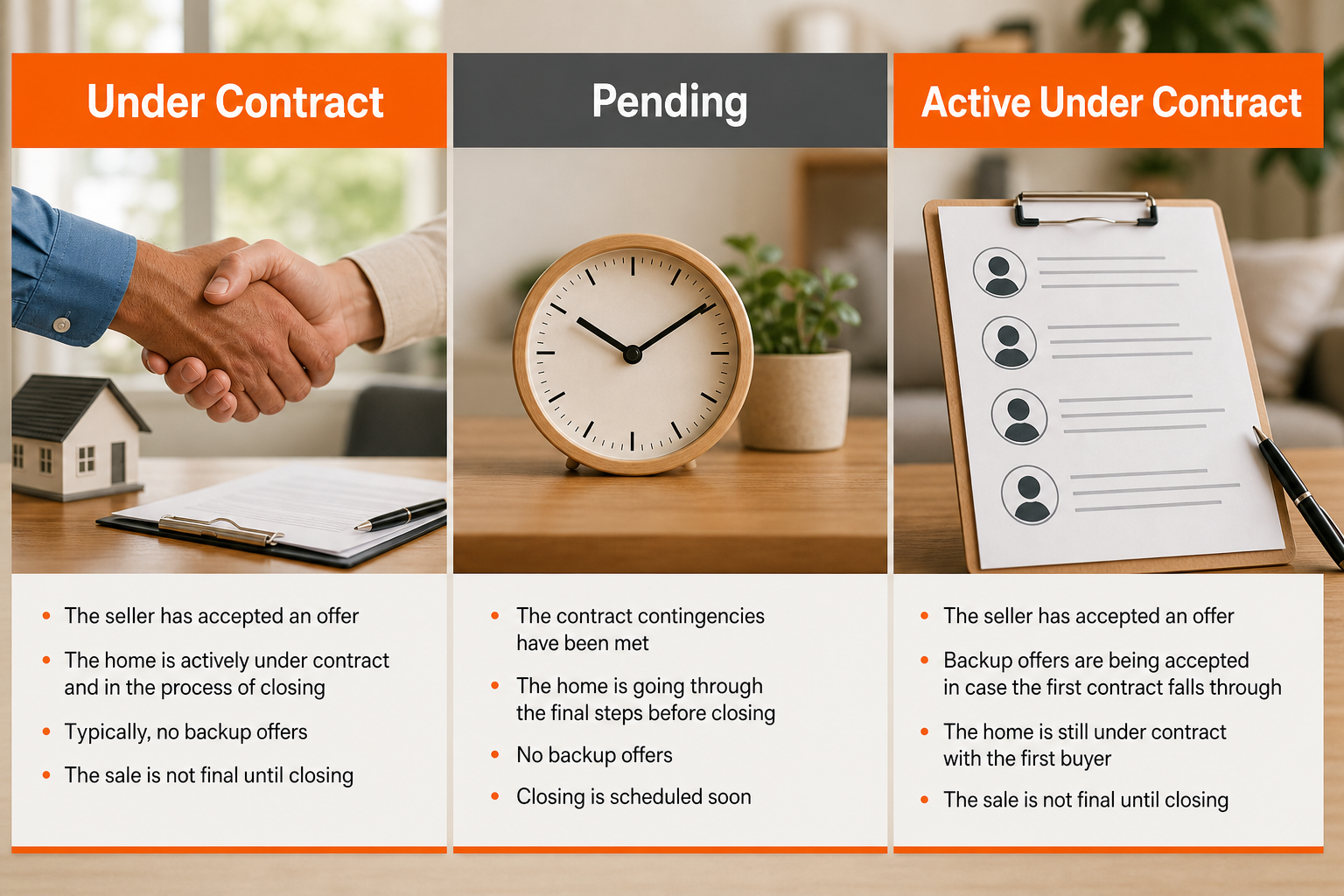
These three labels look similar but they signal different stages.
| Status | What’s Still Open? | Backup Offers |
|---|---|---|
| Under Contract | Contingencies (inspection, appraisal, financing) are still active. | Seller may accept backups. |
| Pending | All contingencies cleared; only closing steps remain. | Usually no new backups. |
| Active Under Contract | Same as Under Contract, but seller explicitly advertises backups. | Backups actively solicited. |
The main usable difference is risk. An “under contract” home can still fall apart; a “pending” home is far less likely to revert to the market.
Can a Buyer or Seller Back Out After Going Under Contract?
Once the purchase agreement is executed, both parties are generally locked in. Texas uses a TREC‑promulgated contract that gives the seller only one clear exit: if the buyer fails to deliver earnest money within two calendar days.
That right is outlined in Paragraph 5 of the standard form. If the buyer does deposit the money, the seller cannot simply walk away without facing legal and financial consequences.
Buyers have more exits. They can terminate during the option period (usually 5‑10 days) for any reason, or later if a contingency fails, for example, a failed financing or a low appraisal. When a buyer terminates properly, the earnest money is usually returned.
Both sides must use the proper TREC termination forms. The seller’s form is TREC 50‑0; the buyer’s is TREC 38‑8. Failing to follow the form or the notice deadline can invalidate the termination and expose the party to a lawsuit.
Our guide to the Texas Residential Real Estate Contract Form 1601 walks you through the exact steps, so you won’t miss a deadline.
Frequently Asked Questions About Under‑Contract Homes
What does “under contract” mean for a buyer?
It means the buyer has signed a purchase agreement and deposited earnest money, but the sale isn’t final until all contingencies are satisfied.
How long does the under‑contract period usually last?
Most Texas contracts give 30‑60 days for inspections, appraisal, and financing to be completed.
Can a buyer still make an offer on an “under contract” home?
If the seller is accepting backup offers, a buyer can submit a backup offer, but it only becomes active if the primary contract falls through.
What happens to the earnest money if a buyer backs out?
If the buyer terminates within a valid contingency window, the earnest money is returned. Outside those windows, the seller may keep the deposit.
Do I need a lawyer to review the contract?
While not required, having a real‑estate attorney review the contingencies and termination clauses can protect you from costly mistakes.
Conclusion
If you’re ready to move past the “under contract” label, start by confirming every deadline in your contract and keeping a checklist of required documents. Need a trusted guide through the process? Explore my detailed “under contract” guide and schedule a call to keep your transaction on track.
Ready to put this into practice? Robbie English, REALTOR, Broker was built for exactly this.