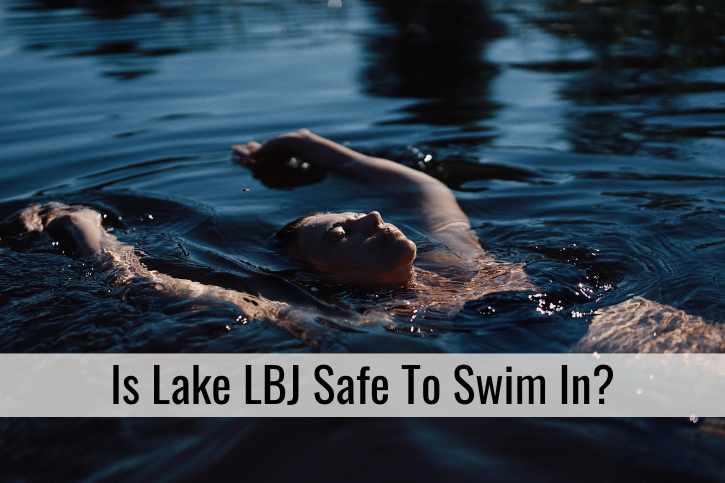
When people ask, “Is Lake LBJ safe to swim in?” my answer is usually yes, provided current conditions support swimming. Lake LBJ, also known as Lyndon B. Johnson Lake, is a natural body of water. Conditions can change after storms or around active boating areas. A general answer cannot replace a same-day check before you enter.
I am updating this guidance for September 17, 2026. I cannot confirm a live all-clear for every cove or shoreline from this page. Before leaving home, review the Lower Colorado River Authority water quality information. Check for a current advisory. Then inspect the specific place where you plan to swim and follow any posted warning.
Let’s start, literally and figuratively.
Is Lake LBJ Safe to Swim in Right Now
As of September 17, 2026, Lake LBJ is generally suitable for swimming under normal conditions. I would not treat that statement as a live clearance for every location. Review the LCRA water quality information on the day you plan to swim. Look for a dated advisory involving bacteria or algae. If heavy rain has recently passed through, postpone the outing until conditions have settled and the relevant guidance supports swimming.
- Check current guidance. Open the LCRA water quality information on September 17, 2026, or on the day of your visit. A general lake answer may not describe a specific cove.
- Recheck after rain. Runoff can carry bacteria into the lake. Brown water, floating debris, or a posted warning are reasons to stay out.
- Inspect the entry point. Choose a visible shoreline away from dam areas and active boat traffic. Do not enter if the water has an unusual appearance or odor.
- Use basic swimmer precautions. No lifeguards are on duty. Swim with another person and use an appropriate life jacket when conditions or ability call for one.
The most useful answer today is conditional rather than absolute: Lake LBJ can be suitable for swimming, but the current LCRA guidance and the conditions at your chosen shoreline should control the decision.
TLDR: Is Lake LBJ Safe To Swim In?
- Yes, Lake LBJ is generally suitable for swimming when current conditions support it.
- Check LCRA guidance before you leave, especially after heavy rain.
- Look for warnings involving bacteria or algae. Stay out when the water looks unusual.
- No lifeguards are present, and lake depths can change quickly.
- Naegleria fowleri infection is extremely rare, but warm stagnant water warrants care.
- Robbie English, REALTOR, Broker, can help clients evaluate property questions near Lake LBJ and the Highland Lakes.
Why Lake LBJ Is a Favorite for Swimmers
Lake LBJ is one of the more consistent-level lakes in the Highland Lakes chain. Its controlled water level can make some areas convenient for recreation. Shoreline coves may also feel calmer when boat traffic is limited.
Clear-looking water is not proof that every condition is suitable for swimming. Check the specific cove before entering. Depth can change quickly beyond a shallow shoreline, particularly where the bottom drops away. There are no lifeguards. Know your swimming ability and keep watch for boats or personal watercraft. Avoid dam areas entirely.
A quiet cove may be comfortable for a supervised swim. It still deserves the same check for recent rain and posted warnings as a busy shoreline.
Swimming in Lake Marble Falls
Lake Marble Falls, a sibling to Lake LBJ, is another location for water recreation. The lake is narrower in some places, and conditions can change after dam releases. Anyone swimming there should understand that moving water may not behave like a sheltered cove on Lake LBJ.
There are no lifeguards at these lake areas. Pay attention to release information and stay clear of dam zones. If water movement has increased, choose a different activity until conditions are appropriate for your experience and equipment.
The Risks Every Swimmer Should Understand
Swimming in a natural lake is different from entering a chlorinated pool. Water conditions can shift during the day. Sediment or debris may also appear after a storm.
Post-rain swimming deserves particular attention. Runoff can carry bacteria from surrounding land into the lake. The water may look brown, or floating material may collect near the shoreline. Those signs mean I would stay out. Existing guidance has commonly advised waiting about a week after heavy rainfall, but the current advisory should control because rainfall intensity and local conditions vary.
Do not rely on a clear appearance alone. Check LCRA information for a current water quality notice. Look for any posted warning at the access point. If the source has not been updated or you cannot determine when the notice applies, waiting is the more cautious choice.
Algae also deserves attention during a same-day inspection. Do not swim through a visible surface film or scum. Keep children and pets away from suspicious water. Follow the instructions on any current advisory rather than assuming that one clear section means the entire lake is clear.
Safe to swim does not mean risk-free. It means the decision accounts for the date, the weather, the location, and the guidance available before entry.
Should You Be Worried About Naegleria Fowleri?
Naegleria fowleri is a rare amoeba associated with serious infection. It can be present in warm freshwater. Risk becomes a concern when contaminated water is forced high into the nose, such as during a jump or when sediment is disturbed in shallow water.
Normal caution keeps the risk low. Avoid diving headfirst into shallow or murky water. Keep your nose above the water when conditions are especially warm and still. Do not stir up the lake bottom before submerging.
Infections are extremely rare, but the outcome can be severe. Awareness is more useful than panic. For current lake information, check the water quality here.
How to Swim Smart in the Highland Lakes
Start with the forecast and recent weather. Heavy rain changes the decision even when the shoreline looked clear the day before. Review the current LCRA page before you travel.
At the entry point, pause for a visual inspection. Do not enter if you see brown runoff, a surface film, floating debris, or an unusual odor. A posted notice should end the decision until the notice is cleared by the responsible authority.
Stay well away from dams. Water releases can create fast movement with little warning. Never assume a calm surface means a dam area is safe.
Swim with a buddy. Use a life jacket when appropriate. Alcohol reduces reaction time, so keep it out of the swimming decision. Children need close supervision near any drop-off or boat route.
For a family planning a visit, the decision can be simple: check the current source, inspect the shoreline, then leave the water when conditions change.
 Why It’s Important to Have Local Real Estate Experts Like Robbie English On Your Side
People fall in love with Lake LBJ and Lake Marble Falls. The appeal is easy to understand. When you move from visitor to homeowner, though, the questions extend beyond the view.
Robbie English, REALTOR and Broker at Uncommon Realty, brings decades of experience to the real estate process. He also teaches real estate as a national speaker and instructor. That background helps him explain the details that affect a purchase near the water.
A buyer may want private lake access. Another buyer may need to understand boat traffic near a shoreline. Questions about flood zones, septic systems, or waterfront regulations can affect a property’s use. Robbie and his team help clients investigate those issues before a decision is made.
I would encourage any buyer to ask how access works during changing water conditions. Ask who maintains the shoreline. Confirm what the property documents say instead of relying on an attractive listing description.
Choosing Lakefront Living Means Choosing with Clarity
A lake view does not answer every ownership question. The same care used to check swimming conditions should guide a property review. Look beyond the view and ask how the home will function throughout the year.
Robbie English is available to help clients examine a purchase with facts and strategy. Whether you are buying a first waterfront property or adding to an investment portfolio, Robbie and his team can help organize the questions that need answers.
Waterfront living involves usability as well as scenery. Consider safety near the shoreline, access during changing conditions, and long-term property requirements before you commit.
Final Thoughts Before You Dip Your Toes In
Lake LBJ and Lake Marble Falls offer appealing places to swim, live, and spend time outdoors. Natural water still demands attention. Check current guidance before your trip. Reassess after rain or when the shoreline looks different.
If you are considering buying or selling property around Lake LBJ or anywhere in the Highland Lakes, contact Robbie English at Uncommon Realty. He can help you examine access, regulations, and other property questions as part of the real estate process.
Lake life should include enjoyment without ignoring changing conditions.
So, is Lake LBJ safe to swim in right now? Usually, yes, when the current guidance supports it and the location passes a careful inspection.
{“@context”: “https://schema.org”, “@type”: “FAQPage”, “mainEntity”: [{“@type”: “Question”, “name”: “Is Lake LBJ safe to swim in?”, “acceptedAnswer”: {“@type”: “Answer”, “text”: “Yes, Lake LBJ is generally safe to swim in with a few precautions. Avoid swimming for at least a week after heavy rainfall, when bacteria levels can spike, and swim with a buddy since no lifeguards are on duty.”}}, {“@type”: “Question”, “name”: “What should I avoid when swimming in Lake LBJ?”, “acceptedAnswer”: {“@type”: “Answer”, “text”: “Stay away from dam areas, since water can be released suddenly and without warning, and be aware that lake depths can change quickly as you move out from a shallow shoreline.”}}, {“@type”: “Question”, “name”: “Is the brain-eating amoeba a real risk in Lake LBJ?”, “acceptedAnswer”: {“@type”: “Answer”, “text”: “Naegleria fowleri infections are extremely rare, though serious when they occur. Normal precautions, like avoiding warm, stagnant water and not submerging your head in untreated water, keep the risk low.”}}]}