Thinking about that perfect Austin home? Hold on, if the foundation’s shaky, you could face a huge surprise bill. Here’s the straight‑up guide that walks you through the red flags, real costs, and the steps that keep the deal safe.
An analysis of 42 comments from Reddit and YouTube about buying a house with foundation issues found that 14% mentioned warranty coverage.
What Foundation Issues Can Mean in a Texas Home
In Texas the soil can expand and shrink like a rubber band. When that happens, a slab can crack, doors can start to stick, and floors may slope. Those signs often point to a structural problem that can lower a home’s market value and scare off lenders.
Typical warning signs include hairline cracks in interior walls, doors that won’t close properly, and uneven floors that feel like a gentle tilt. A quick visual check can catch the obvious, but the real story hides in the soil movement patterns that only a professional can read.
Because Texas law requires sellers to disclose known defects (see Texas Property Code §5.008), a hidden flaw can halt a purchase faster than a credit snag. The seller’s disclosure, combined with a solid engineer’s report, gives you a clear picture of risk.
For a deeper look at how foundation problems affect pricing in Central Texas, check out this local market analysis. Robbie English often helps clients gather the paperwork needed to stay compliant.
Why an Independent Evaluation Matters More Than a Visual Guess
Most home-inspection reports note cracks, but inspectors aren’t required to assess structural adequacy. That’s a nuance many buyers miss.
Texas‑licensed structural engineers can determine the cause, whether it’s expansive clay, poor drainage, or a plumbing leak, and provide a written scope of work. That report becomes the benchmark for repair bids and lender reviews.
During the option or inspection period, hire an independent, licensed structural engineer to assess the foundation and provide a written scope and cost estimate.
Repair costs can vary, so relying on a visual guess may leave you with an unexpected bill after closing.
How Repair Scope, Cost, and Timing Affect the Purchase
Repair costs vary wildly. A simple pier‑and‑beam installation may run a few thousand dollars, while full slab replacement can climb into the high‑five figures.
Collecting two to three written estimates from licensed contractors turns an unknown cost into a concrete negotiation point. The estimates should break down labor, materials, permit fees, and any required engineering sign‑off.
Timing matters, too. Lenders often freeze the loan until a repair is completed and inspected. If the repair timeline pushes past your desired closing date, you may need to negotiate a later closing or a buyer credit.
Robbie English can coordinate the engineer’s report, gather repair bids, and align the schedule with your lender to keep the transaction on track.
How Foundation Concerns Can Affect Financing, Insurance, and Resale
Most conventional lenders flag a home with unresolved foundation issues. They may require a renovation loan, an FHA 203(k), or a specialty loan that covers the repair cost.
Homeowners insurance in Texas typically excludes coverage for damage caused by gradual soil movement. Talk with an insurance agent early; standard homeowners policies usually do not cover pre-existing damage or gradual soil movement.
When the home finally sells, the appraisal will discount the value based on the repair estimate. A well‑documented repair plan can soften that discount, but the resale price often reflects the post‑repair market, not the pre‑repair asking price.
Robbie English can help you draft a repair‑contingency clause that protects your financing.
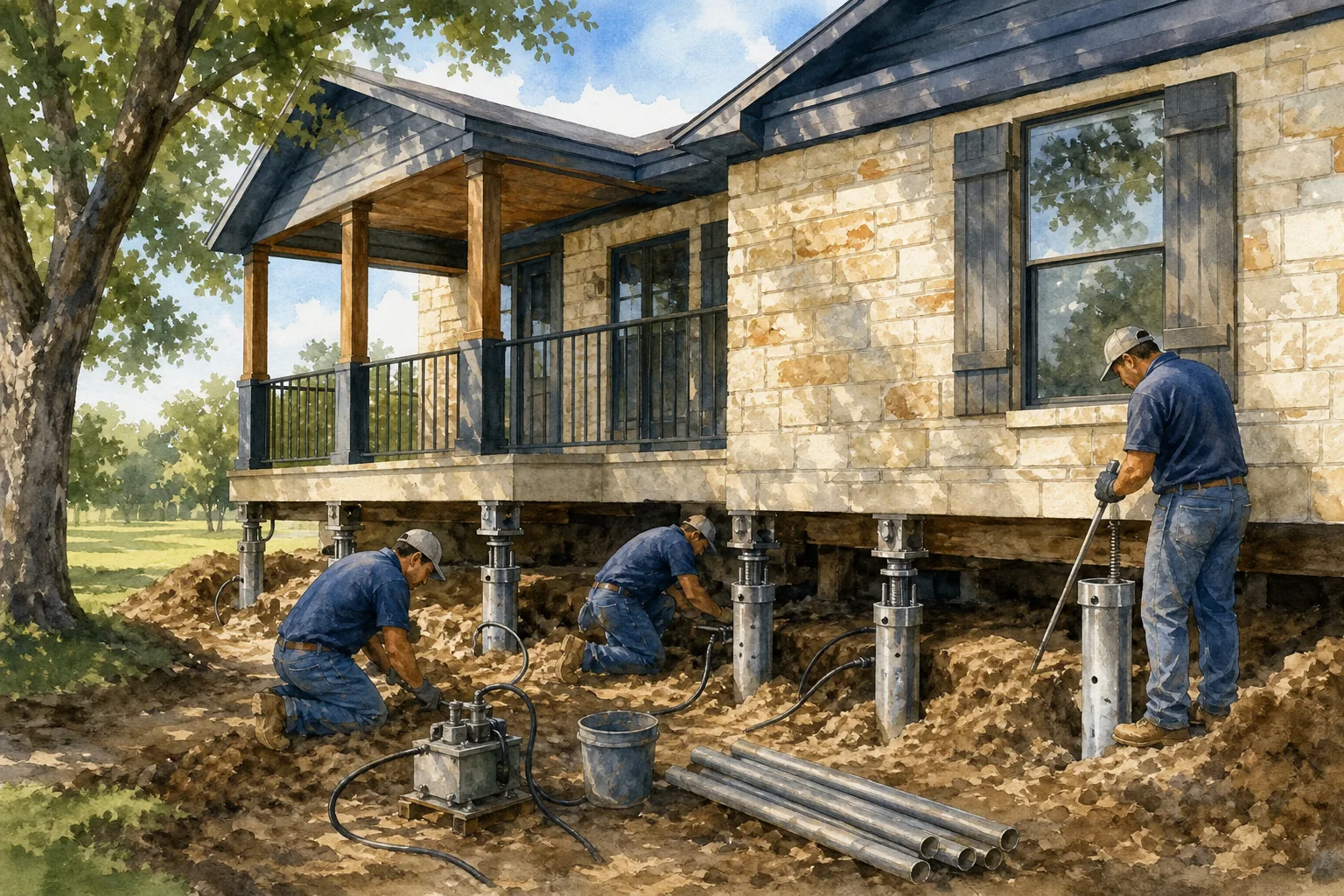
When the Numbers and Risk May Still Make Sense
Sometimes the math works out. If the repair estimate is modest relative to the home’s market value, the cost may be a reasonable hit for a solid, long‑term asset.
Key questions to run through:
- Does the repair improve the home’s structural integrity for decades?
- Will the repair be covered by a transferable warranty?
- Can you secure a loan that includes the repair cost without ballooning your monthly payment?
If the answers line up, the deal can still be a good investment. A buyer who understands the risk and has the cash reserve for unexpected issues will feel confident moving forward.
Robbie English recommends pulling the engineer’s report into the purchase contract as an addendum. That way, the seller can’t back‑out and you keep a clear paper trail for the lender.
Frequently Asked Questions
What red‑flag signs should I look for during a walkthrough?
The direct answer: look for cracks wider than a quarter inch, doors that stick, sloping floors, and gaps around windows. Those symptoms often signal underlying movement.
Do I need a structural engineer even if the inspector says the house is fine?
Yes, an engineer’s written evaluation is required for most lenders and satisfies Texas disclosure rules. An inspector’s visual note isn’t enough to guarantee financing.
Can I get a home‑insurance claim for foundation damage?
Only if the damage comes from a covered peril like a burst pipe or windstorm. Gradual soil movement is usually excluded, so you may need a separate endorsement.
What financing options exist for homes with foundation repairs?
Renovation loans, FHA 203(k), and some specialty construction loans let you bundle the repair cost into the mortgage, keeping your cash outlay low.
Should I walk away if the repair estimate is high?
Consider the home’s overall value, the buyer pool, and your risk tolerance. If the repair cost exceeds 5% of the purchase price, many buyers choose to renegotiate price or walk away.
Conclusion
If you’re serious about buying a Texas home with foundation issues, start with a licensed structural engineer’s report, gather multiple repair bids, and involve a lender early. Reach out to Robbie English, REALTOR, Broker, to coordinate the disclosures, inspections, and financing so the deal stays on track.