A second home can look simple on a listing page. The hard part comes later, when financing rules, rental plans, taxes, and upkeep meet your monthly budget. If you’re learning how to buy a second home, follow these steps in order, and be honest about how you plan to use the property.
Step 1: Confirm Your Budget and Second-Home Affordability
Before you shop for a second home, find the payment you can carry without counting on future rent or home-price growth. A lender will review your income, debts, credit, assets, and the proposed property. You should run your own household budget first.
Start with the full monthly cost. Include the new mortgage payment, property taxes, insurance, HOA dues, utilities, repairs, travel, and a reserve for vacant months. A lake house may sit empty for weeks while still needing air conditioning, lawn care, pest control, and storm coverage.
Then set a cash target. Your funds may need to cover the down payment, closing costs, prepaid taxes, prepaid insurance, inspection fees, and immediate repairs. Keep money outside the transaction for your primary home. Using every liquid dollar for the second purchase leaves little room when a roof, water heater, or special assessment appears.
Home equity can help fund the purchase, but equity is not the same as cash. It is the value of the home after subtracting the mortgage balance. A lender may assess that value before approving a HELOC, home equity loan, or cash-out refinance. Each choice adds debt and may change the payment on your primary home.
A HELOC gives you a credit line that you draw as needed. A home equity loan usually gives you a lump sum. A cash-out refinance replaces the current mortgage with a larger loan. Ask a lender to show the payment, fees, rate terms, and risks for each option. Selling your current home is another path, but it may affect your housing plan and tax position.

By now you should have a maximum purchase price, a cash-to-close range, and a monthly payment limit. Keep those numbers separate from the price a lender says you can technically afford.
Step 2: Decide Whether It Is a Second Home or an Investment Property
When you learn how to buy a second home, classification is one of the first decisions to settle. A primary residence is where you live most of the time. A second home is generally a property you plan to use personally. An investment property is bought mainly to produce rental income.
The label affects the loan structure, down payment, interest rate, insurance, underwriting, and permitted use. Exact terms vary by lender and borrower. Ask the mortgage professional to explain the rules for your loan instead of relying on a listing description or a casual promise about rental income.
Many conventional lenders look for a livable property, personal use, and some distance from the primary residence. Distance rules can differ. A lender may question a property that sits a short drive away, while a genuine vacation property in another region may fit the usual pattern.
Short-term rental plans need extra care. A second-home loan may require you to keep control over who occupies the property. A rental pool or a management agreement that controls occupancy could conflict with the loan documents. A long-term tenant usually points toward investment-property financing.
Do not tell a lender that a rental property is a personal retreat simply to seek different terms. That can create a serious loan and legal problem. If your intent changes after closing, ask the lender before signing a lease or management contract.
Also check the property itself. A condo association may limit rentals. A city or county may require a permit. Insurance may differ for a part-time home or a rental. A cash-flow spreadsheet should include rent assumptions, cleaning, management, repairs, utilities, taxes, insurance, and periods with no booking.
Co-ownership can lower the cash burden, but it adds another layer of risk. Put use dates, repairs, financing, exits, and dispute steps in a written agreement. A shared arrangement may also affect lender approval, insurance, taxes, and the loan documents. Ask an attorney and lender to review the structure before you make an offer.
Robbie English, REALTOR, Broker can help you define the property purpose before you compare listings. That early conversation matters because the wrong classification can make an otherwise workable purchase fail during underwriting.
Step 3: Choose the Financing Strategy and Get Pre-Approved
To understand how to buy a second home, you need a financing plan before you fall in love with a property. Start with a lender who handles second homes and investment properties. Ask for side-by-side scenarios instead of one payment quote.
Compare the cash needed at closing, the rate, the loan term, mortgage insurance, reserves, and the monthly payment. A lower down payment may preserve cash but raise the payment or add mortgage insurance. A larger down payment may lower the payment but leave you short on repairs and reserves.
Your debt-to-income ratio matters. The lender will look at your existing mortgage, the proposed payment, car loans, credit cards, student loans, and other debts. Ask how the lender will count the new property payment. Rental income may receive limited credit, require documentation, or be excluded from a second-home qualification.
Prepare your file early. Common items include proof of income, bank and investment statements, tax returns, identification, employment history, and records that show where the down payment came from. Large deposits need a clear paper trail. If you plan to use a gift, equity line, sale proceeds, or retirement funds, ask about the rules before moving money.
Pre-approval is more than a letter for the seller. It gives you a price range and shows where the lender sees risk. Ask how long the approval remains valid and what could change it. Do not open new credit, move large sums, change jobs, or make major purchases without asking the lender first.
If your current home will become a rental, ask how the lender will treat its income and expenses. Review the existing mortgage terms, insurance change, expected rent, repairs, and vacancy. The rental plan may improve cash flow, but the lender may require a lease or other records before counting that income.
Get a written estimate that includes taxes, insurance, HOA dues, and any mortgage insurance. Rates move, and a quote is not a promise that the same terms will remain available. Your lender should explain the assumptions in plain language.
By now you should have a pre-approval, a verified source for the down payment, and a clear answer about how the lender will treat rental income. Only then should you set your search range.
Step 4: Select the Location, Property, and Local Real Estate Support
Buying a second home starts with the use case, not the photo. Decide how often you’ll visit, how far you’re willing to travel, whether you need a local caretaker, and what tasks you can handle from your primary home.
Study the location at more than one time of day and in more than one season. Look at road access, utility service, internet, insurance availability, flood or fire exposure, grocery access, and repair response times. A beautiful remote home can become costly when every service call requires a long trip.
For an out-of-state purchase, confirm which professionals will handle the work. You may need a local lender, title company, inspector, insurance agent, tax adviser, property manager, and attorney. Rules can change across state lines. An international purchase adds currency, ownership, local tax, inheritance, and financing questions that need local advice.
Property type changes the budget. A condo may bring HOA dues and association rules. A detached home may bring more yard and exterior upkeep. Waterfront or rural property can raise questions about flood coverage, wells, septic systems, private roads, and access rights.
Review rental rules before touring homes if income is part of the plan. Read the HOA documents. Check city and county rules. Ask for insurance quotes. A property that cannot legally operate as planned is not a bargain at any price.
Robbie English, REALTOR, Broker works with buyers who need a clear view of Texas property choices, including homes near Austin and nearby lake areas. A local broker can help compare the property, contract terms, local restrictions, and likely ownership workload. The broker cannot replace a lender, inspector, attorney, CPA, or insurance professional, but can help keep the handoffs in order.
For a location-focused example, review buying a second home in Horseshoe Bay alongside rental goals, HOA rules, travel access, and costs beyond the mortgage.
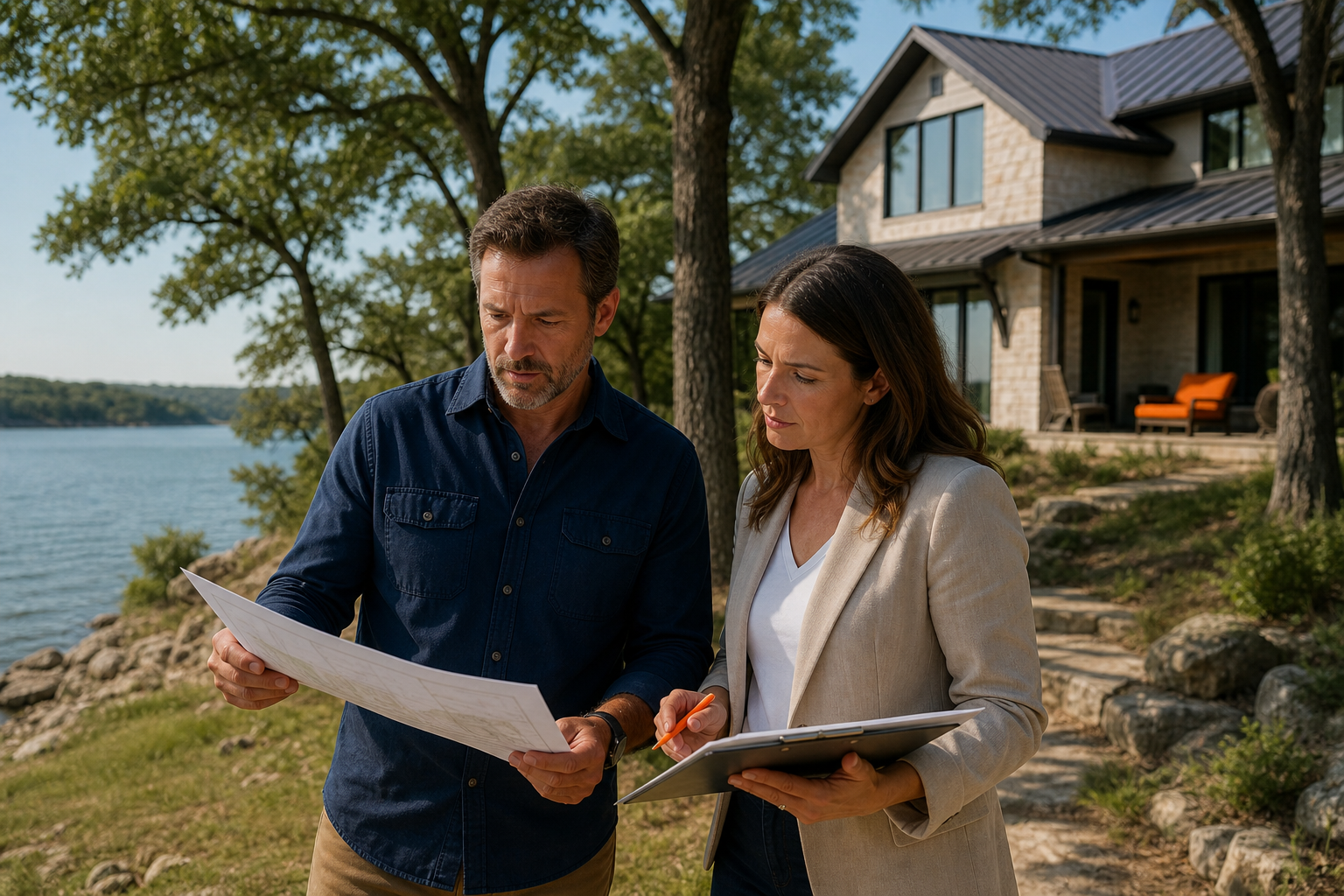
By now you should have a short list of areas and a property checklist that includes use, travel, upkeep, rules, insurance, and resale considerations. Keep the list factual. Avoid choosing a neighborhood based on assumptions about the people who live there.
Step 5: Make an Offer, Complete Due Diligence, and Negotiate
Once you understand how to buy a second home, the offer stage becomes a test of facts. Ask your agent for a market analysis that uses recent, similar sales. Review the home’s condition, time on market, competing listings, and any known repairs before setting your price.
Your offer should cover more than price. Discuss the earnest money, option or inspection rights where used, financing terms, appraisal protection, closing date, included items, and repair language. The right terms depend on local law and the contract form. A Texas buyer should understand the option period and the rights it provides before signing.
Once the seller accepts, schedule inspections quickly. A general inspection may find problems with the structure, roof, plumbing, electrical system, heating, or cooling. Specialized checks may be needed for pools, docks, septic systems, wells, termites, mold, foundation movement, or a private road.
Do not treat the inspection report as a demand for a perfect house. Separate safety issues from routine maintenance. Get repair estimates for issues that affect your budget. You can ask for repairs, a credit, a price change, or termination if the contract allows it and the problem does not fit your plan.
Review title records, survey information, easements, restrictions, permits, and association documents. Confirm that additions, docks, garages, or converted spaces have the required approvals. Ask whether the property has open permits or unpaid assessments.
Confirm insurability before your deadline. A lender may require coverage that is hard to obtain in a coastal, flood, wildfire, or remote area. A quote is not enough if the policy excludes the risk that concerns you. Ask the insurance agent to explain deductibles, exclusions, replacement cost, and any seasonal vacancy rules.
The appraisal is another checkpoint. If the value comes in below the contract price, the lender may reduce the loan amount. You may renegotiate, bring more cash, challenge the appraisal with supporting sales, or use a contract right if one applies.
Ask for records that support rental income only when the property will be financed and used as a rental. Past bookings do not guarantee future bookings. Build your own cash-flow estimate with conservative rent assumptions and every expense. The same rule applies to any projected appreciation. Treat it as uncertain, not as a funding source.
Robbie English, REALTOR, Broker can help organize the offer and inspection timeline, while the lender and licensed specialists handle their parts. Keep every deadline in writing. A missed inspection, insurance, financing, or title deadline can limit your choices.
By now you should know what you are buying, what it may cost to fix, and what contract rights remain available. If the numbers only work after ignoring a clear defect or optimistic rent forecast, step back.
Step 6: Close Carefully and Plan for Ownership, Taxes, and Ongoing Costs
The final part of how to buy a second home is making sure the ownership plan works after closing. Review the Closing Disclosure as soon as you receive it. Compare the loan amount, rate, payment, cash to close, lender credits, taxes, insurance, and other charges with the estimate you approved.
Ask questions before signing. Confirm the name on the documents, the vesting choice, wire instructions, repair credits, and any HOA charges. Verify wire instructions through a trusted channel. Real estate wire fraud is a serious risk, so do not rely on a last-minute email alone.
Complete the final walk-through close to signing. Check that agreed repairs are done and that the property’s condition matches the contract. Test key systems if the home is vacant. Make sure included appliances, fixtures, keys, remotes, and access codes are present.
Taxes need a separate review. A second home used personally may be treated differently from a property held for rental use. Interest, property taxes, rental income, depreciation, expenses, and eventual sale proceeds can raise different questions. Ask a CPA how those rules apply to your facts before you file.
Insurance should match the actual use. Tell the insurer if the home is vacant, rented for short stays, rented to a long-term tenant, or managed by another party. A standard homeowners policy may not fit a rental plan. Keep written proof of coverage for the lender and your records.
Set up an ownership system on day one. Create a monthly reserve for repairs and a separate record for property income and expenses. Store the deed, loan documents, insurance policy, warranties, inspection report, permits, HOA rules, and service contacts in one secure place.
If you plan to rent, write down who handles guest messages, cleaning, repairs, taxes, refunds, emergencies, and damage claims. Decide who checks the home when it is empty. A property manager may help, but the management agreement must fit the loan documents and your intended classification.
Plan for the slow months. A second home can have a mortgage payment even when you do not visit or receive rent. Budget for an HVAC service, roof work, pest control, tree trimming, appliance replacement, and insurance changes. For a home near water or in a rural area, ask local contractors what maintenance owners often miss.
By now you should have a signed closing package, confirmed insurance, a maintenance plan, and a recordkeeping system. If you still have an unanswered tax, legal, lending, or insurance question, pause and ask the right licensed professional.
Frequently Asked Questions
How much money do I need to buy a second home?
You need enough cash for the down payment, closing costs, prepaid items, reserves, and early repairs. The amount depends on the loan type, property, credit profile, lender, and classification. Do not use every dollar for the purchase. Keep a separate reserve for your primary home and for months when the second property produces no income.
Can I use a HELOC to buy a second home?
Yes, a HELOC can provide funds for a second-home purchase, but it adds a payment secured by your current home. A lender may also count that payment when reviewing your debt-to-income ratio. Compare a HELOC with a home equity loan, cash-out refinance, or sale proceeds, then review the rate and repayment risk with a mortgage professional.
Can I rent out a second home?
You may be able to rent a second home, but the loan documents, local rules, HOA restrictions, and insurance policy must allow the plan. Short-term rental use may require you to keep control of occupancy. A full-time tenant or rental manager may point to investment-property financing. Tell the lender your true intent before closing.
Is a second home harder to finance than a primary residence?
A second home can be harder to finance because the lender reviews your existing housing payment along with the new one. Down payment, rate, reserves, credit, debt-to-income ratio, and property type can differ from a primary-residence loan. Get pre-approved with a lender that handles this type of transaction before setting a search price.
Should I buy a second home in another state?
You can buy a second home in another state, but distance adds work. Review local taxes, insurance, contract rules, rental laws, HOA documents, property management, and travel time. Build a local team that includes a real estate professional, lender, inspector, insurance agent, and tax adviser. Confirm who will respond when the property needs help.
Do I need a REALTOR to buy a second home?
You can buy without a REALTOR, but local representation can help with property research, contract deadlines, inspections, market analysis, and negotiation. This is especially useful when the property is far from your primary home or has rental, HOA, waterfront, or rural issues. Choose a professional who explains the process without rushing your decision.
Buying a second home is safest when the use, financing, and ownership costs agree from the start. Write down your budget and property purpose, then speak with a lender and a local professional such as Robbie English, REALTOR, Broker’s guide to buying in Texas before you tour seriously.
You Might Also Find These Helpful
- search current homes for sale
- schedule a buyer consultation
- get pre-approved for a mortgage
- Is It a Good Time to Buy a House in Austin?