To price your Austin home for a timely sale, I start with relevant recent sales, competing listings and your property’s condition. There is no fixed discount that guarantees offers or a higher final price. My guide to pricing your home accurately explains how I put that evidence together.
Step 1: Start With Recent Comparable Homes
Start with recent completed sales that resemble your property in location, size, age and condition. If there are too few close matches, expand the time or search area carefully and note the differences. My Austin home sellers guide explains how comparable properties and current buyer behavior fit into the pricing discussion. Being within a particular percentage of a comp does not guarantee an offer window.
Use price per square foot as one comparison measure, not an automatic valuation formula. A simple average can hide differences in lot, condition, layout and concessions. I would review the individual sales before multiplying any average by your home’s size.

Illustration: The map and prices shown above are fictional examples. They are not current listings, completed sales or a valuation of any Austin property.
Identify meaningful differences such as condition, a replaced roof or a view. Support adjustments with comparable evidence where available rather than adding an arbitrary percentage for each feature. Separate the cost of a renovation from what buyers appear willing to pay for it.
Use a dated local report for market context. Unlock MLS’s July 2026 report reports the City of Austin and the wider metro separately. Neither region’s overall figures establish the value or expected selling time of one home.
By now you should have a raw price range based on solid, recent data.
Step 2: Adjust for Your Home’s Real Differences
Every house has quirks that shift its value. Start with condition: a fresh coat of paint or a new HVAC system can justify a higher price, while a leaky roof or outdated wiring pulls it down.
Compare lot size, road exposure, access and nearby amenities. Their effect depends on the property and the buyer’s priorities. I would not assign a universal premium to a cul-de-sac or a fixed discount to a busier road without supporting comparable sales.
Finally, factor in upgrades that matter to buyers. Interior paint and a new garage door can improve presentation, making them worth considering before a price bump.
Key Takeaway: Explain each adjustment using the property and comparable evidence. A renovation’s cost is not automatically the amount it adds to the sale price.
After these tweaks, you’ll have a narrower, more realistic price window.
Step 3: Choose a Price That Attracts the Right Buyers
Choose an asking price within the range the evidence supports, considering current competition and your timing. Pricing below that range can attract attention but also risks accepting less than the property could achieve. My explanation of aspirational pricing covers the tradeoffs of asking more than the evidence supports.
Consider how buyers search by price bracket, but do not let a round number or the regional median replace property-level analysis. Any price adjustment should have a clear reason and an agreed review plan.
Track views, showing requests and feedback after launch. More traffic or multiple offers are possible outcomes, not promises. If interest is weak, review both presentation and price before deciding what to change.
Step 4: Prepare the Home Before Going Live
First, fix any critical repairs. A leaking roof or broken HVAC will scare buyers no matter how good the price is.
Then focus on cosmetic upgrades. A fresh, neutral paint job, clean windows, and tidy landscaping add curb appeal for very little cost. These low‑budget updates can improve the home’s presentation.
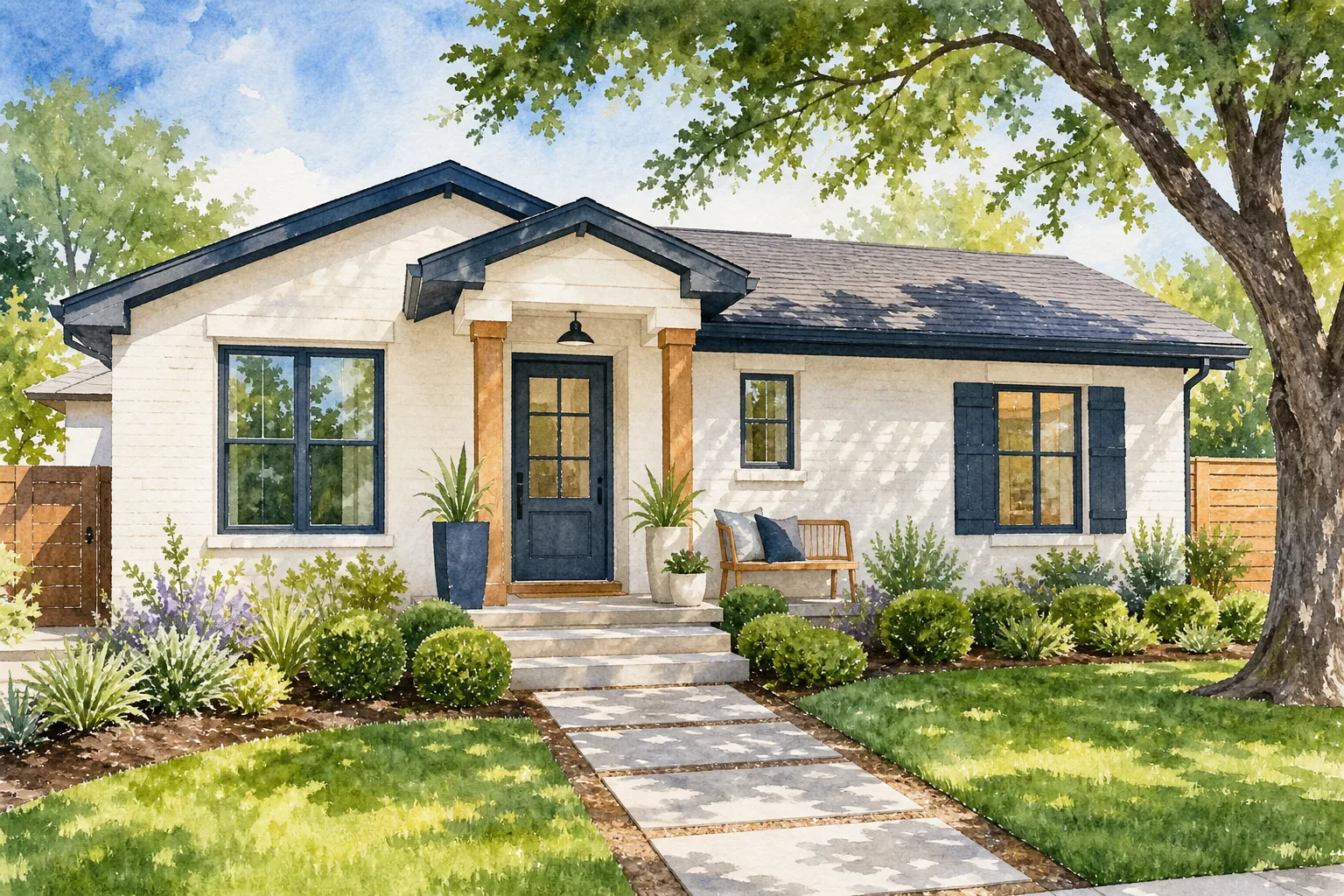
Set a pre-sale work budget from actual quotes, the property’s condition and your available funds. Use written cost estimates instead of a generic percentage rule. Compare necessary repairs with optional cosmetic work, and do not assume every improvement will repay its cost.
By the time the listing goes live, the house should look move‑in ready and well‑maintained.
Step 5: Use Early Buyer Feedback to Make a Calm Adjustment
Watch the first two weeks closely. If you’re getting lots of showings but no offers, ask agents what’s holding buyers back. Common feedback points include price, layout, or minor cosmetic issues.
If the evidence supports a price change, choose the amount from current competition and buyer feedback. A fixed 2–5% cut is not a rule and does not guarantee renewed interest. Consider the effect on your expected proceeds before agreeing to it.
Coordinate any change with the listing’s marketing and showing plan. There is no universal Wednesday-to-Thursday schedule that makes a price reduction effective. Confirm when the updated information will appear and how interested buyers will receive it.
After the adjustment, continue to monitor feedback. If the market still feels slow, consider another small tweak or add an incentive like a buyer’s credit.
Frequently Asked Questions
What’s the best way to find comparable homes?
Start with the MLS or a trusted online portal that lets you filter by zip code, size, and sale date. Pull the three most recent sales that match your home’s key traits.
How far below market should I price my house?
There is no universal percentage below market that produces the best result. First establish a supported range, then discuss your timeline, competing listings and the risks of underpricing. I would explain those tradeoffs before recommending a number.
Do I need a professional appraisal before listing?
An appraisal isn’t required, but a pre‑listing appraisal can confirm your price range and give buyers confidence.
Can small upgrades really affect the price?
Small repairs or cosmetic changes can improve presentation, but their resale return is uncertain. Compare quotes with the property’s condition and likely buyer concerns. Choose work that fits your budget and sale plan rather than assuming it will return more than it costs.
How long should I wait before lowering the price?
Agree on a review date before launch, then use actual exposure, showing feedback and comparable activity to decide what comes next. A slow week alone does not establish the right reduction. The appropriate timing and amount depend on your property and current competition.
If you would like to talk through the evidence, I can help you review comparable sales and the choices behind an asking price. Bring your timing and budget questions so we can discuss the tradeoffs calmly.
Once the price and preparation plan are clear, decide how to present the property and arrange showings. I will explain the options; you remain in control of the decisions.