Most Texans think they need a 5% down payment, but the reality is far more flexible. The amount you actually need depends on the loan you qualify for, the price of the home, and any assistance you can tap into. Below is a plain‑spoken guide that walks you through each factor so you can plan confidently.
The Down Payment Depends on Your Loan and Purchase Price
Every mortgage program sets a minimum percentage of the purchase price that you must bring to the table. A conventional loan can start at 3% for a first‑time buyer, while many lenders will require 5% for other borrowers. Your upfront down payment depends on the purchase price and loan program.
For a clearer picture, check out my Truth About Down Payments article, where I break down the typical ranges you’ll see across Texas.
Keep in mind that the down‑payment figure is only part of the cash you’ll need at closing. Closing costs, prepaid taxes, and insurance usually add another 2%‑5% of the purchase price.
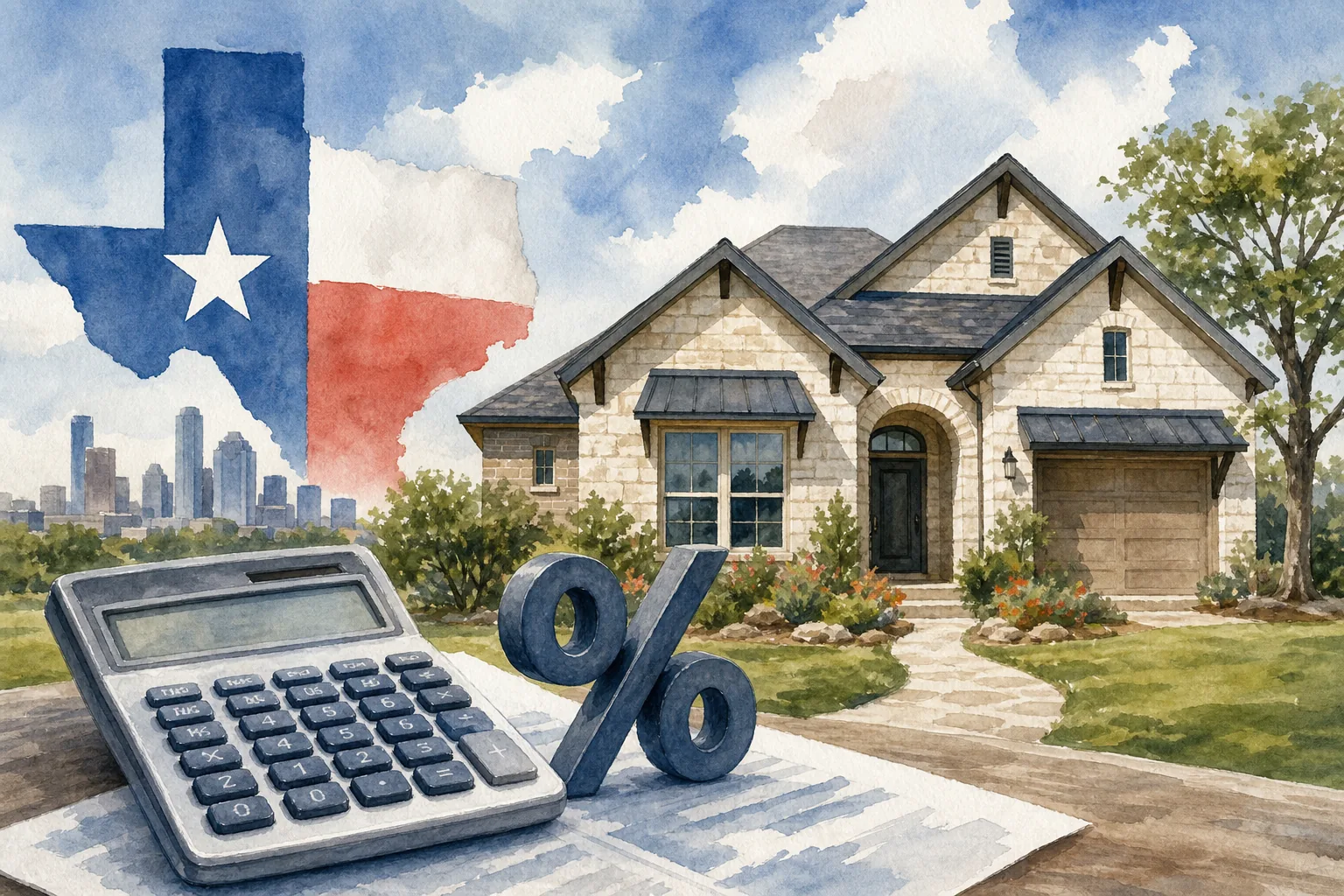
FHA loans let eligible borrowers put down just 3.5%, which can make a big difference when you’re budgeting. Learn more about FHA loan options.
How Conventional, FHA, VA, and USDA Loans Affect the Minimum
Conventional loan requirements vary based on credit and income standards. FHA loans require a 3.5% down payment and add mortgage‑insurance premiums that stay with you for the life of the loan.
The VA loan is a special case: qualified veterans, active‑duty service members, and some spouses can buy with 0% down and no mortgage‑insurance requirement. The funding fee, ranging from 0.5% to 3.3%, covers the government’s cost.
USDA loans target rural Texas buyers. If your property meets the agency’s income limits, you can get 100% financing, meaning no cash down at all.
For a quick reference, see this general overview of VA loans.
When you compare these options, think about your credit score, the property’s location, and how long you plan to stay. A lower down payment preserves cash but may add insurance costs; a higher payment can lower your monthly bill and eliminate PMI.
Your Down Payment Is Not the Same as Cash to Close
Cash to close includes everything you need on the day you sign the paperwork: down payment, closing costs, escrow deposits, prepaid taxes, and a cushion for emergencies. Even if you qualify for a 0% down loan, you’ll still need several thousand dollars for these other items.
My guide on Down Payment Assistance Texas walks you through the grants and second‑lien options that can cover part of the cash‑to‑close bill.
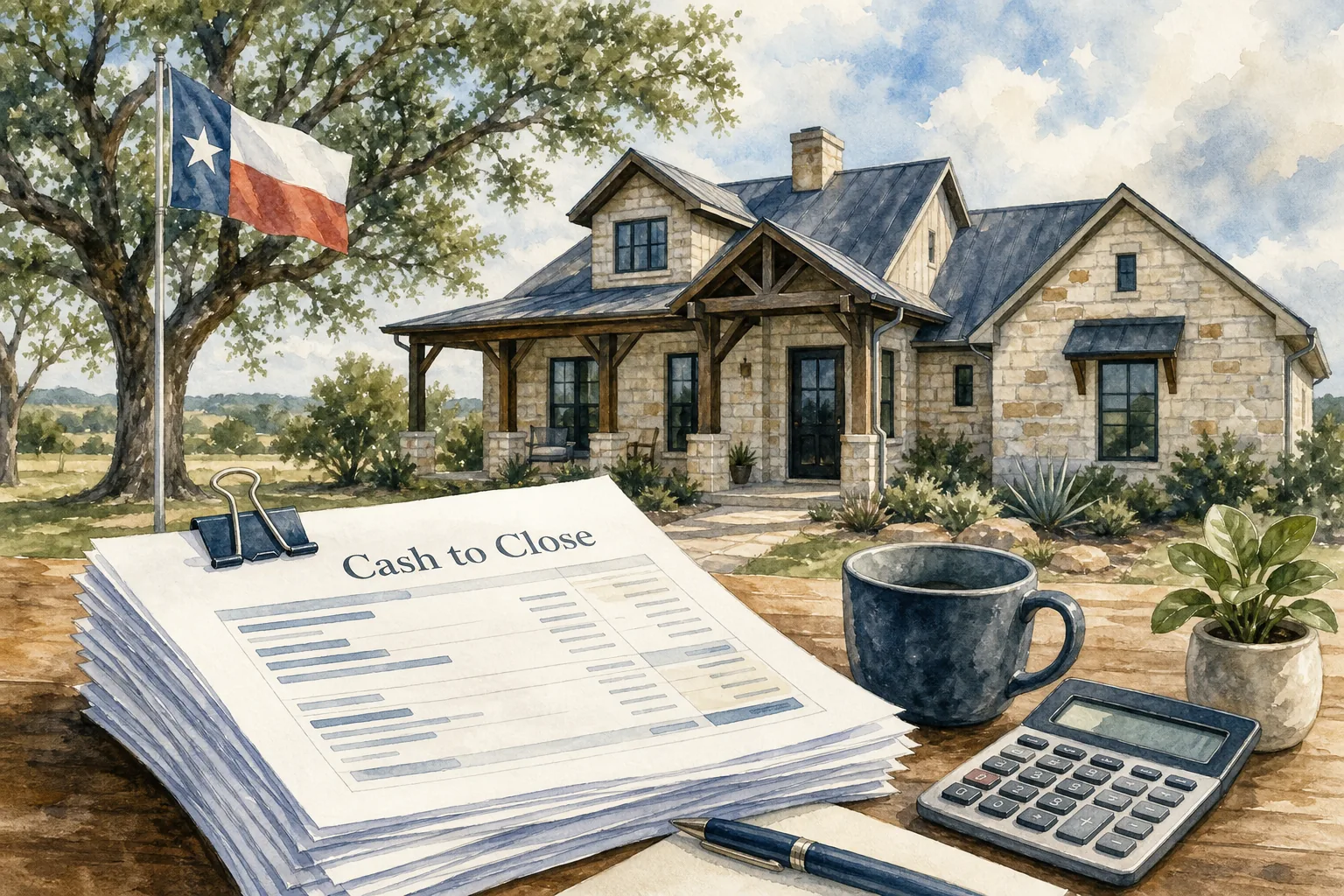
Remember to keep at least three months of mortgage payments in reserve after closing. That safety net protects you from unexpected repairs or a short‑term loss of income.
Texas Assistance Programs May Help, but Terms and Availability Vary
Statewide programs such as My First Texas Home (TDHCA) and Home Sweet Texas (TSAHC) can provide 2%‑5% of the loan amount as a grant or forgivable loan. Eligibility often hinges on income limits, first‑time‑buyer status, or a qualifying profession like teaching or law enforcement.
Before you start house hunting, review the current details on the TDHCA site.
For a deeper look at the specific programs available in Austin and Central Texas, see my First‑Time Home Buyer Programs Texas page. It lists the hero‑profession loans, city grants, and county options you can combine for up to $45,000 in assistance.
Each program has its own repayment rules. Some grants never need to be repaid, while others act as a second lien that’s forgiven after you stay in the home for a set period.
Choosing a Down Payment That Fits Your Full Budget
Start by adding up every source of cash you can bring to the table: savings, retirement account withdrawals (if allowed), and any gifts from family. Subtract the amount you want to keep as an emergency reserve.
Next, run a quick mortgage calculator with three scenarios: the minimum down payment for a conventional loan, the FHA minimum, and a zero‑down VA/USDA option. Compare the monthly payment, total interest, and the size of your cash‑to‑close bill.
If the numbers look tight, explore down‑payment assistance or consider a slightly larger contribution to avoid PMI. The right balance depends on how long you expect to stay in the home and how comfortable you are with monthly cash flow.
Frequently Asked Questions
What is the smallest down payment I can make on a Texas home?
The smallest possible down payment is 0% if you qualify for a VA or USDA loan and meet their income and service‑member requirements.
Do I need to pay private mortgage insurance (PMI) with a low down payment?
Yes. Conventional loans require PMI when you put down less than 20%; FHA loans have a mortgage‑insurance premium that stays on the loan for the life of the loan unless you reach a 20% equity threshold.
Can I combine a low‑down‑payment loan with a state assistance program?
Absolutely. Most Texas assistance programs work with conventional, FHA, VA, and USDA loans, adding a grant or forgivable second lien that reduces the cash you need at closing.
How much should I budget for closing costs in Texas?
Closing costs typically run 2%‑5% of the purchase price and are separate from your down payment.
Is it better to save for a larger down payment or buy sooner with a smaller one?
It depends on your timeline. A larger payment lowers your monthly bill and may eliminate PMI, but buying sooner can lock in a good rate and prevent rent from eating your savings.
Conclusion
If you qualify for a VA or USDA loan, you can walk into a Texas home with no cash down. Otherwise, aim for at least 3%‑5% of the price, then layer on any state assistance you’re eligible for. Reach out to a trusted mortgage professional, like the team I work with, to run the numbers and map out a plan that keeps your reserves healthy.
Ready to put this into practice? Robbie English, REALTOR, Broker was built for exactly this.