If you’re searching for a newly built home near you in Austin, I’m Robbie English, REALTOR, Broker. I’ll explain how to compare locations, pricing, contracts, and inspections, from your first search through the final walk-through, so you can spot likely costs and make an informed decision.
An analysis of 71 comments from YouTube and Reddit about new construction homes for sale found that 35% mentioned poor construction quality.
Too Long; Didn’t Read
- Most Austin-area new construction sits in fast-growing suburbs such as Round Rock, Cedar Park, Leander, Hutto and parts of Dripping Springs.
- The base price covers the plan, the lot and standard finishes; lot premiums and design-center upgrades add to it.
- Builder incentives often require the preferred lender, so compare the full loan terms with an independent lender.
- Get an independent inspection at pre-drywall and at the final walk-through, even with a builder warranty.
- Add HOA fees, MUD or PID assessments and any flood insurance before you compare a new build with a resale home.
What “Near Me” Means for Austin‑Area New Construction
When you type “new construction homes for sale near me” into a search box, the results show homes that are within a few miles of your current address or the ZIP code you entered. In the Austin metro that usually means the city itself plus the fast‑growing suburbs, Round Rock, Cedar Park, Leander, Hutto, and even parts of Dripping Springs. Those areas have the most new‑home inventory because builders have space to add neighborhoods.
New‑construction inventory spans a range of price points across the metro, from more attainable homes to luxury listings, and many builders offer incentive packages.
Because the supply is spread out, the “near me” radius can change your price dramatically. A starter‑home in Kyle or Elgin may be less expensive, while a semi‑custom build in Liberty Hill can cost more. Knowing which city fits your budget and commute helps you focus your search before you even talk to a builder.
One thing I’ve learned: the more specific you are about the community, the faster you’ll see real listings. Most builders post their active homes on their own sites, but they also share listings through real estate listing services. A quick call to my office can pull the latest inventory that isn’t yet on public portals.
When you’re ready to dive deeper, check out my guide to Leander’s new builds: New Construction Homes in Leander, TX.
How New‑Home Pricing, Upgrades, and Incentives Work
The sticker price you see on a builder’s website is just the base. It covers the floor plan, the lot, and the standard finishes. Anything beyond that, such as upgraded cabinets, quartz counters or a covered patio, gets added at the design center and rolls into your mortgage.
Lot premiums are the first hidden cost. A corner lot or a lot that backs to a greenbelt can add $5,000‑$50,000 to the base price.
Design‑center upgrades can swell the loan fast. I’ve watched buyers walk in planning to spend $10,000 and walk out with a much longer list of options. Common upgrades in Austin include spray‑foam insulation, tankless water heaters, and hardwood floors. Because these upgrades are financed, they affect your debt‑to‑income ratio and may change the loan program you qualify for.
Builders also offer incentives, usually a credit toward closing costs, a rate buydown, or a free upgrade. The catch? Most incentives require you to use the builder’s preferred lender or title company. That can look like free money, but you need to compare the total cost. For example, a $5,000 credit can be offset by a higher interest rate if you use the preferred lender, so compare the loan terms and total costs before deciding.
Earnest money deposits follow a similar pattern. For a $300,000‑$500,000 home, the deposit usually ranges from $3,000‑$10,000, but part of it may be non‑refundable. Ask the builder to spell out exactly what portion you can get back if the deal falls apart.
If you want to compare how different communities price their upgrades, the Cedar Park guide is a good reference: New Construction Homes in Cedar Park, TX.
Builder Contracts, Timelines, and Buyer Protections in Texas
New-home contracts may use paperwork that differs from standard resale contracts. The contract package should outline the buyer’s rights, the builder’s obligations, and the expected completion schedule.
Before you sign, collect the entire contract package: the contract, addenda, floor plans, finish schedules, allowance sheets, and any incentive agreements. Anything missing is a reason to pause and ask questions. The contract should state a clear “substantial completion” date, though builders may be able to extend it for weather, material shortages, or change orders. I wouldn’t lock in a moving date until the contract includes an “outside completion date” that addresses the risk of ongoing delays.
Change orders are another area to check carefully. A written change order should list the exact change, its price impact, the payment deadline, and how it affects the construction schedule. If the builder can substitute a product because it’s out of stock, the contract should say whether you’ll receive a credit, a substitute of equal or greater value, or a price increase.
Financing contingencies matter, too. Some builders offer a credit if you use their preferred lender. Compare the builder’s loan estimate with an independent lender’s estimate to see whether the credit actually saves you money.
These contracts can be dense, so I always recommend having a Texas-licensed attorney review the paperwork. A simple checklist can help you track documents and deadlines.
When you’re considering a builder’s timeline, my Round Rock guide can give you a sense of typical build windows: New Construction Homes in Round Rock, TX.
Inspections, Warranties, and What to Check Before Closing
Even though a new home comes with a builder’s warranty, it’s still wise to bring an independent inspector onto the job. Most Austin builders let you schedule a pre‑drywall walkthrough and a final walk‑through. The pre‑drywall visit is your chance to catch framing, plumbing, and electrical work before walls close up. Hire a licensed inspector, costs run $300‑$600, and have them attend both walkthroughs.
Texas law doesn’t require a cooling‑off period for new‑home contracts, so once you sign you’re on the hook. That makes the inspection step important. Look for proper insulation, correct window installation, and a functioning HVAC system. Small issues like unsealed gaps or missing trim can become bigger problems later.
Builder warranties in Texas commonly follow a 1‑2‑10 structure: one year on workmanship and materials, two years on systems (plumbing, electrical, HVAC), and ten years on major structural components such as the foundation and load‑bearing walls. Verify the warranty document and ask for a copy that lists what’s covered and what’s excluded.
Don’t forget the community‑level assessments. Many new neighborhoods have a Municipal Utility District (MUD) or a Public Improvement District (PID). MUD taxes are part of the property tax bill, while PID assessments appear as a separate line item. Both can add 0.5%‑1.5% to your effective tax rate, translating to a few thousand dollars per year on a $450,000 home.
Finally, get the builder’s punch‑list sign‑off in writing. During the final walk‑through, note every item that needs fixing, take photos, and ask the builder’s representative to sign the list. That record protects you if a repair is needed after you move in.
Out-of-state buyers moving to Texas can be especially likely to overlook the independent inspection, so schedule it early and make time to review the findings before closing.
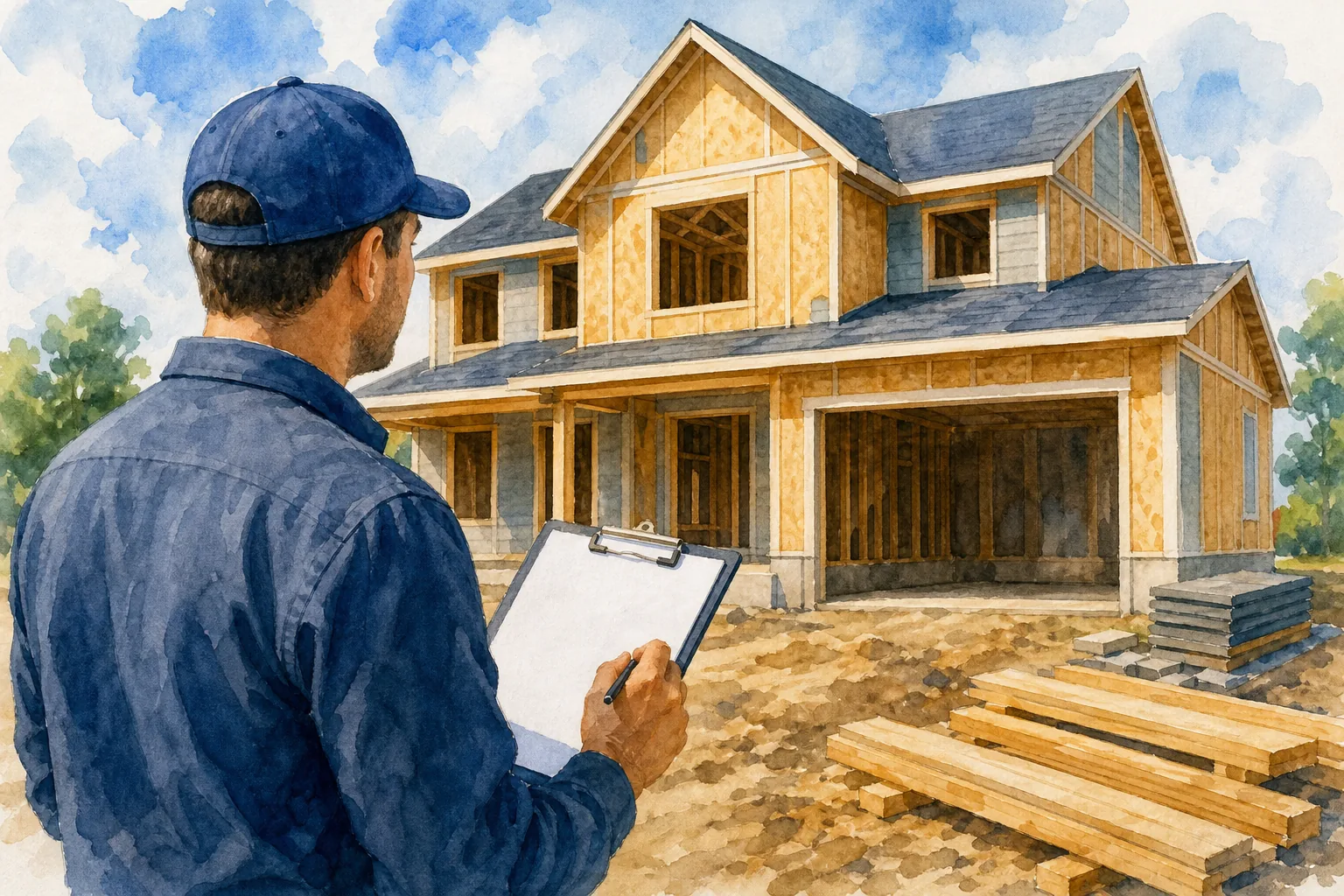
Beyond the Purchase Price: Taxes, HOA Costs, and the Lot
The base price is only one part of what you’ll pay. In Austin-area new builds, many communities charge a Homeowners Association (HOA) fee for common-area maintenance, amenities, and sometimes security. Depending on amenities such as pools, clubhouses, or trails, fees vary.
Then there are special districts. A Municipal Utility District (MUD) builds water and sewer infrastructure and repays those costs through a separate tax rate. A Public Improvement District (PID) may fund roads, drainage, or community amenities. A PID assessment may not qualify for certain exemptions, so check how it could affect your monthly housing costs.
The lot can add costs beyond its premium, too. Larger lots and premium locations, such as corner, hilltop, or lake-view lots, usually cost more.
Don’t overlook flood risk. A builder may not give you the same disclosures a resale seller would, so check a flood map yourself. If the lot is in a 100-year flood zone, separate flood insurance may be required and add to your annual costs.
When you’re comparing the full cost, add up:
- Base price
- Lot premium
- Design-center upgrades
- HOA fees
- MUD/PID assessments
- Estimated flood insurance, if needed
That fuller picture can help you compare a new build with a resale home, where some of these costs may already be reflected in the price.
Frequently Asked Questions
What does “new construction homes for sale near me” actually show?
It shows listings within the search radius you set, usually a few miles around your address or ZIP code. In Austin, that can include the city and fast-growing suburbs where builders have active inventory.
How much should I expect to pay for a lot premium?
Lot premiums vary widely by community and view. A corner or greenbelt lot usually costs more than a standard interior lot, so ask the builder for the premium on each lot you consider.
Do I have to use the builder’s lender to get the incentive?
Most builder incentives are tied to their preferred lender, but you aren’t required by law to use that lender. Compare the builder’s rate-buydown offer with an independent lender’s Loan Estimate to see which option saves you more.
What’s covered by a typical Texas new-home warranty?
Many follow the 1‑2‑10 format: one year on workmanship and materials, two years on systems, and ten years on major structural components such as the foundation and load-bearing walls. Ask the builder for a written warranty summary before you sign.
How do MUD and PID taxes affect my monthly payment?
They’re added to your property tax bill as a separate rate, often around 0.5%‑1.5% of the home’s assessed value. The amount varies based on the home’s assessed value and the applicable tax rates.
Can I back out of a new-home contract if I change my mind?
Texas law doesn’t provide a general cooling-off period. Your ability to cancel depends on the contract, such as an “option period” clause or a termination right tied to a PID notice. Review the contract carefully or ask an attorney to explain your exit options.
Conclusion
If you’re ready to move forward, start by contacting me, Robbie English, REALTOR, Broker at Uncommon Realty, to get the latest inventory and a clear price breakdown. Then schedule an independent inspection early in the build and lock in a contract that spells out the timeline, upgrades, and warranty details. That way you’ll avoid surprise costs and walk into a home that truly fits your budget and lifestyle.