Real estate is more than square footage and land. It plays a real role in how communities grow and change over time. Look past the transaction, and you can see it in everything from a new mixed-use development to a preserved historic district: real estate shapes economic opportunity and the character of a place.
Real estate quite literally builds the world around us. That’s the perspective I bring to my work as an agent.
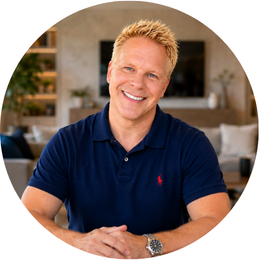
I’m Robbie English, REALTOR and Broker at Uncommon Realty. I’ve spent decades in this business helping clients make smarter decisions, and I’m also a national real estate speaker and instructor who trains other agents across the country. That’s the experience I bring to every client.
Here’s how that influence plays out on the ground.
TL;DR: How Real Estate Shapes a Community
- Real estate directly influences how people connect, live, and thrive together.
- It determines economic health through smart commercial development.
- Cultural identity and local pride are built and preserved through thoughtful real estate choices.
- Sustainable and inclusive planning is important for a community’s long-term health.
- I work to help shape communities through real estate, not just close transactions.
Designing Environments That Encourage Connection
Every neighborhood tells a story, but not every neighborhood invites you into it. Design plays a big part in that.
When a development is thoughtfully planned, it does more than create housing, it encourages people to actually interact. Walkable streets, green spaces, courtyards, and gathering spots make the difference. It’s not about luxury. It’s about livability.
The layout of homes, sidewalks, and access to amenities all affect whether a neighborhood feels open and welcoming or closed off. Good design helps neighbors actually get to know each other.
This kind of planning doesn’t happen by accident. It takes people who think about how a place will actually be lived in, not just built.
Laying the Groundwork for Economic Vitality
A local economy doesn’t just appear, it’s built, often literally, through commercial real estate. Retail hubs, office parks, and co-working spaces all drive economic activity.
Where commercial zones go matters. They draw in businesses, which create jobs, bring in foot traffic, and change the character of a district over time.
But it works both ways: poorly planned commercial development can just as easily stall or hurt a community. That’s why the planning behind it matters, whether you’re buying, selling, or investing.
Development works better when it’s done thoughtfully rather than quickly.
Preserving Culture While Making Room for Progress
Communities with real character don’t happen by accident. The most memorable neighborhoods blend old and new in a way that honors the past while making room for what’s next.
Preserving historic architecture, reusing older buildings, and choosing materials that fit a place all affect how connected people feel to where they live. When new development echoes a community’s identity instead of replacing it, that matters.
Being thoughtful about a community’s culture during development doesn’t slow things down, it actually strengthens the result. People invest more in a place, emotionally and financially, when they feel like it still reflects them.
I try to keep that balance in mind, blending what’s practical with what gives a place character and lasting value.
Supporting the Infrastructure That Supports Us
Real estate drives infrastructure. It affects where roads get expanded, where transit lines go, and where services get placed. Schools, clinics, and emergency services all get built around where people live, and people live where developers decide to build.
Real estate isn’t just a backdrop to a community, it actually steers its direction. Growth without planning can overwhelm public resources, but growth guided by good real estate strategy helps a community grow in a sustainable way.
Understanding how those decisions affect city planning and infrastructure is part of what I bring to working with clients on bigger purchases.
Encouraging Diversity Without Compromising Dignity
A big part of how real estate shapes a community comes down to how inclusive it is. Development shouldn’t cater to only one income level or group of people. When it does, that’s segregation by design.
When mixed-use and mixed-income developments are part of the plan, something good happens. People from different backgrounds share the same space, and that tends to build stronger, more resilient communities.
This isn’t only a social goal, it’s also good real estate strategy. Thoughtful, inclusive development tends to increase long-term property value and community cohesion.
I don’t believe in cookie-cutter solutions. Every property and every client is different, and the approach should match that.
Revitalizing Neglected Spaces
There’s something genuinely satisfying about turning a forgotten property into something that works again. Done right, real estate development can bring new life to overlooked areas.
Neglected properties become new homes. Empty storefronts become working businesses again. Streets that once had no foot traffic become part of daily life. These changes aren’t always dramatic, but they add up.
What happens in these situations comes down to vision and execution. It takes someone who can see the potential in a space and knows how to actually get it there.
That’s the part of this work I find most interesting: figuring out what makes a space work functionally, financially, and for the people who’ll use it.
Promoting Sustainability That Works in Real Life
Real estate has a responsibility to the environment, and building green is no longer an afterthought. It’s often a real advantage.
Energy-efficient homes, smart construction practices, solar-ready infrastructure, and community green space aren’t extras anymore. They’re expected in most serious development plans.
Not every project labeled “eco-friendly” actually delivers, though. I try to look past the marketing language and focus on what a property or development actually does.
Sustainability doesn’t mean giving something up. It usually just means building smarter.
Building Pride Through Quality and Intentional Design
Pride in where you live is a real thing. It affects how people take care of their property and how they treat their neighbors. Thoughtful, quality real estate builds that pride faster than almost anything else.
A clean, well-designed exterior and accessible common areas send a message that a place matters, and people respond to that.
I pay attention to that kind of detail. Every property I work on gets looked at for both how it looks and how it’ll hold up over time.
Small choices, materials, landscaping, even lighting, have a real effect on how residents feel about where they live.
 Guiding the Process With Purpose
Real estate is personal, but it’s also strategic. Balancing the two takes experience.
I bring both to every client relationship. That means real industry knowledge, and it means actually caring about getting it right for you.
As a real estate instructor and national speaker, I’m always learning what works and what doesn’t in this business, and I bring that back to my own clients.
It’s not just about closing deals. It’s about helping people make choices that shape their future and their community.
Why Robbie English Is the Right Choice
There are a lot of agents out there. What I try to offer is depth: real strategy and real perspective, not a surface-level transaction.
Understanding how real estate shapes a community isn’t something I picked up overnight. It comes from years of paying attention to it.
I’ve been doing this long enough to know what works, and I stay current on what’s changing in the business.
If you’re making a decision that will shape your future and your community, I’d like to be the person you talk to. Let’s connect.
Ready to see how real estate can shape your future and your community?
Get in touch with Robbie English, REALTOR and Broker at Uncommon Realty. My experience and the time I put into understanding this market can help you take your next real estate step with confidence.