Robbie English, Broker and REALTOR

Helping Austin Home Buyers and Sellers Make Confident Real Estate Decisions

  • Buy
    • Search Homes For Sale
    • Featured Listings
    • Get Pre-Approved
    • Schedule a Buyer Consultation
    • Hire Me As Your Buyer’s Agent
    • Buyer Guides
      • Austin Home Buyer’s Guide
      • Austin Real Estate Guide
      • Austin Relocation Guide
      • Making an Offer
      • What Are Closing Costs?
      • Closing: Now What?
      • Financial Terms Glossary
    • Download The App
    • Neighborhood Guides
      • Neighborhood Guides
      • Highland Lakes Neighborhood Guides
    • Event Guides
      • Austin Metro Event Guides
      • Highland Lakes Event Guides
  • Sell
    • Sell With Me
    • Get Your Home’s Value
    • Schedule a Seller Consultation
    • Off-Market Representation
    • Market Snapshot
    • Seller’s Guide
      • Austin Home Sellers Guide
      • 11 Steps To Selling Your Home
      • Pricing Your Home
      • Marketing Your Home
      • Adding Value To Your Home
      • Showing Your Home
  • Rentals
    • Owner Portal
    • Featured Rentals
    • Rent
      • Resident Resources
      • Resident Portal
      • Tenant FAQ
      • Resident Benefit Package
      • Wear and Tear vs. Damage
  • Service Area
  • Blog
    • Find By Topic
    • Real Estate Resource Center
    • All Blog Posts
  • About
    • Testimonials
    • Robbie
    • Robbie’s Advanced Education
    • Uncommon Realty
    • Uncommon Diversity
    • Uncommon Path
  • Contact
Home » How to Remove PMI: A Step‑by‑Step Guide

How to Remove PMI: A Step‑by‑Step Guide

September 4, 2026 by Robbie English, REALTOR, Broker, ABR, AHWD, BBA, C2EX, CRB, E-PRO, GRI, MRP, PSA, RENE, RPR, SFR, SRS, TAHS, TBS, TLS

Paying PMI feels like throwing money away. The good news is it’s not forever. Below is the exact process I use with my clients to drop private mortgage insurance and keep more cash in their pocket.

Table of Contents

  • Step 1: Confirm Whether You Have PMI or FHA Mortgage Insurance
  • Step 2: Calculate Your Current Loan‑to‑Value Ratio
  • Step 3: Ask Your Mortgage Servicer to Cancel PMI
  • Step 4: Use an Appraisal or Refinance When the Numbers Make Sense
  • FAQ: How to Remove PMI in Common Mortgage Situations
  • Conclusion

Step 1: Confirm Whether You Have PMI or Other Mortgage Insurance

First, check your loan documents or the latest mortgage statement. Conventional loans that started with less than a 20 % down payment carry PMI. Some government-backed loans have separate mortgage insurance that follows different rules.

The Homeowners Protection Act of 1998 guarantees two pathways for conventional loans. Your servicer must automatically cancel PMI when the balance reaches 78 % of the home’s original value, provided you’re current on payments. If you want to act sooner, you can request cancellation at 80 % LTV once you’ve been making on‑time payments for at least 12 months. Wikipedia explains the basics of PMI and why lenders require it.

Borrowers with this type of government-backed mortgage insurance cannot cancel it the same way. The only route to stop paying it is to refinance into a conventional loan once you have at least 20 % equity. That’s a key difference you’ll need to keep in mind when you plan your next move.

Key Takeaway: If you have a conventional loan, you have a free, automatic stop at 78 % LTV and a cheap, borrower‑initiated option at 80 % LTV.

Below is a quick decision table you can sketch on a napkin to see which path applies.
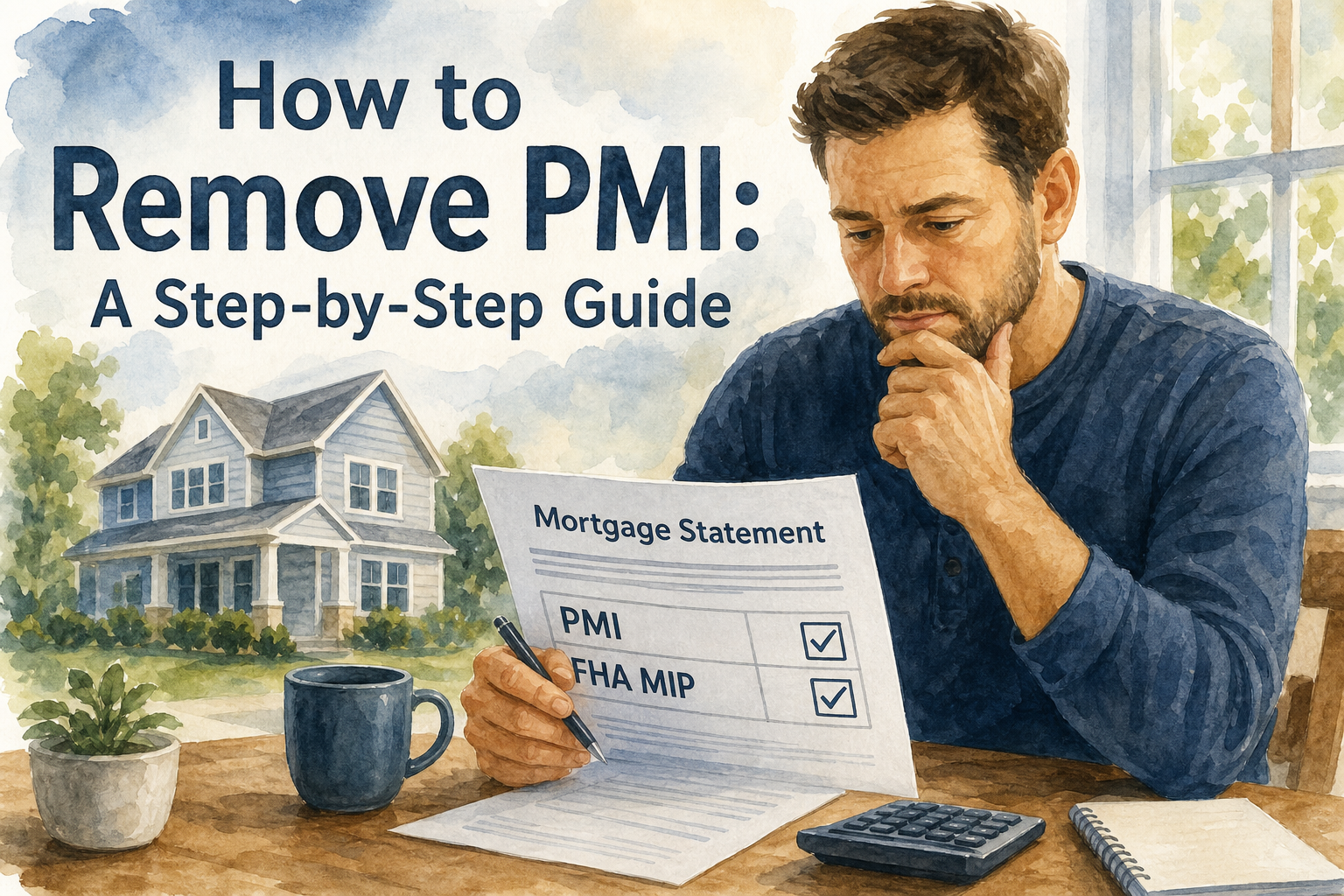
"homeowner checking mortgage insurance status"

Step 2: Calculate Your Current Loan‑to‑Value Ratio

Knowing your LTV tells you whether you qualify for automatic termination or a borrower‑requested drop. Pull the current loan balance from your most recent statement and the original purchase price (or the most recent appraisal if you’ve renovated).

Use this simple formula: LTV = (Current Loan Balance ÷ Home Value) × 100. If the result is 78 % or lower, the servicer should have already cancelled PMI. If it’s between 78 % and 80 %, you can ask for removal now.

For a hands‑on example, compare your current loan balance with your home’s value using the formula above. If you’ve crossed the 78 % automatic threshold, the servicer must drop PMI as long as you’re current on payments.

If the numbers don’t line up, you have two ways to improve them:

  • Make extra principal payments to shave down the balance faster.
  • Order a new appraisal if the market has pushed your home’s value up.

Our guide on down‑payment strategies explains how a larger down payment shrinks LTV from the start, saving you PMI altogether.

Pro Tip: Track your LTV each quarter with a spreadsheet. A tiny extra payment each month can move you from 81 % to 79 % in a year.

Step 3: Ask Your Mortgage Servicer to Cancel PMI

When you’ve hit the 80 % LTV mark, it’s time to send a written request. The letter should include:

  1. Your loan number and contact info.
  2. A statement that your LTV is now below 80 % based on the latest balance.
  3. A request for PMI cancellation under the Homeowners Protection Act.

Mail the letter to the address listed on your mortgage statement, it’s often different from the payment address. I always send it certified so I have proof of delivery.

Most servicers respond within 30‑45 days. If they deny the request, they must give a reason in writing. Common denial reasons are missed payments or an outdated LTV calculation. In that case, you can file a complaint with the Consumer Financial Protection Bureau.

When the servicer agrees, they’ll send a confirmation and your next mortgage statement will show a $0 PMI line item.

Step 4: Use an Appraisal or Refinance When the Numbers Make Sense

If you’re stuck at 80‑85 % LTV because the original purchase price was high, a fresh appraisal can reset the equity calculation. A new, higher home value lowers your LTV without you having to pay down the principal.

Ask your lender to order the appraisal. You’ll usually pay an appraisal fee, but the monthly PMI savings may pay for the cost over time.

Refinancing is another powerful lever. When you refinance into a new conventional loan with at least 20 % equity, the new loan will start without PMI. The trade‑off is closing costs, which typically run 2‑3 % of the loan amount. Compare the refinance savings with the upfront costs to see whether the change makes sense.

My clients who have built equity through home improvements often refinance after the upgrades are reflected in an appraisal. That way they capture both a higher home value and a lower interest rate.

Need a deeper dive on how credit‑score changes affect refinancing? Check out my post on the latest Fannie Mae credit‑score updates. It explains why a better score can shave points off your new loan rate, making the refinance even sweeter.

Key Takeaway: An appraisal can eliminate PMI faster than waiting for amortization; a refinance wipes it out completely if you have 20 % equity.

"homeowner discussing appraisal and refinance to remove PMI"

FAQ: How to Remove PMI in Common Mortgage Situations

Can I cancel PMI before I reach 80% LTV?

No. Federal law only allows borrower‑initiated cancellation once the loan balance drops to 80 % of the original value, and you must have made at least 12 consecutive on‑time payments.

What if I’m behind on a payment?

PMI won’t be cancelled automatically if you’re delinquent. The servicer waits until you’re current, then processes the termination on the next scheduled date.

Does a home improvement project help me drop PMI?

Yes. If the improvement raises your home’s appraised value, a new appraisal can lower your LTV, letting you request cancellation earlier.

Do FHA loans ever drop MIP?

Only by refinancing into a conventional loan with at least 20 % equity. The original FHA MIP stays for the life of the loan otherwise.

Is there a fee for the automatic 78% termination?

No. The Homeowners Protection Act requires the servicer to cancel PMI at 78 % LTV at no cost, as long as you’re current on payments.

Should I pay for a broker price opinion instead of a full appraisal?

Some lenders accept a broker price opinion, which is cheaper. Verify with your servicer first, because not all will accept it in place of a formal appraisal.

Conclusion

If you’ve hit 78 % LTV, let the law do the work. If you’re between 78 % and 80 %, send a written request. And if your equity is stuck because of a low original appraisal, order a new one or refinance. Need a quick sanity check on your numbers? Grab my free mortgage‑calculator worksheet from the insurance guide and see how fast you can say goodbye to PMI.

Ready to put this into practice? Robbie English, REALTOR, Broker was built for exactly this.

Y'all Might Want To Check These Out Too...

Seller Blind Spots: What You Stop Seeing in Your Own HomeSeller Blind Spots: What You Stop Seeing in Your Own Home Editorial illustration for Austin Real Estate Agents for Buyers and SellersAustin Real Estate Agents for Buyers and Sellers FHA owner occupied multifamily loan Texas duplex financingOwner Occupied Multifamily Loans in Texas Default ThumbnailHow to Vet a Realtor Before You List Your Home

Filed Under: blog

your dream home starts here
download closely
sell your home

Disclaimer: The content on this website is provided for general informational and educational purposes only. It is not legal, tax, accounting, financial, appraisal, or other professional advice. Reading these articles or contacting me through this website does not create a broker-client relationship. I am not an attorney, tax advisor, accountant, financial advisor, or licensed real estate appraiser. Only a licensed or certified real estate appraiser can provide a real estate appraisal. Only a licensed and certified appraiser can set a property’s value. Real estate laws, contracts, market conditions, and individual circumstances vary, so you should seek advice from the appropriate licensed professionals before making decisions.

start your home search

download closely

sell your home

Real Estate Resource Center by Robbie English

Pick a Topic:

Find Answers To Real Estate Questions Asked on Reddit

You may also like

Seller Blind Spots: What You Stop Seeing in Your Own HomeSeller Blind Spots: What You Stop Seeing in Your Own Home Editorial illustration for Austin Real Estate Agents for Buyers and SellersAustin Real Estate Agents for Buyers and Sellers FHA owner occupied multifamily loan Texas duplex financingOwner Occupied Multifamily Loans in Texas Default ThumbnailHow to Vet a Realtor Before You List Your Home

Blog Article Topics

Absentee Owners • Austin Area Housing Market • Austin Real Estate • Austin Landlord Service • Build to Rent • Building A Home •  Cedar Park • Compensation • Distressed Homeowners • Downsizing • Financially Motivated • Find Your Place • First Time Home Buyers • For Sale By Owner • Greater Austin Housing Market • Green-Energy Efficiency • Homeowners Associations • Home Buying • Home Improvements • Home Pricing • Home Staging and Depersonalization • Home Values • Homeownership • Interest Rates • Investment and Vacation Rentals • Leander • Lifestyle • Living in Austin • Living in Cedar Park • Living in Central Texas • Living in San Antonio • Luxury Real Estate • Market Updates • Mortgage Financing • Moving to Austin • Moving to San Antonio • Moving to Texas • Multi-Generational Housing • My Advanced Education •  Negotiations • Off-Market Representation • Preparing for Closing • Probate and Estate Sales • Property Taxes • Real Estate • Refinancing Your Mortgage • Renting and Leasing •  Representation •  San Antonio Housing Market • San Antonio Real Estate • Selling Your Home • Selling Your Luxury Home • Short Term Rentals • Supply and Demand • Texas Property Management •  Trends

Search By Category

Blog Posts

Why More Investors Are Choosing Multi-Family Homes

Why More Investors Are Choosing Multi-Family Homes

should I sell my Austin home before buying another one

Should I Sell My Austin Home Before Buying Another One

professional photography

Professional Photography Tips to Showcase Luxury Real Estate

How Do I Buy a Home Without a Real Estate Agent?

How Do I Buy a Home Without a Real Estate Agent?

Trust Robbie English for a Smooth Central Texas Area Home Sale

Trust Robbie English for a Smooth Central Texas Area Home Sale

First Time Homebuyers Tips from Real Estate Pros

First Time Homebuyers Tips from Real Estate Pros

Leander, Texas, has been making waves as one of the fastest-growing suburbs of Austin. With its top-rated schools, new developments, and easy access to downtown Austin, it’s no surprise that more people are considering moving to Leander, TX. But a big question remains: Is it expensive to live in Leander, Texas? The Cost of Housing in Leander Housing is typically the largest expense for anyone moving to a new city. Compared to Austin, Leander offers more affordable options, but prices have been steadily climbing. The median home price in Leander hovers around $450,000 to $500,000, depending on the neighborhood and home size. For renters, expect to pay between $1,800 and $2,500 per month for a three-bedroom home, while apartments average $1,500 to $2,000 per month for a two-bedroom unit. If you’re looking for more space and a suburban feel while still having access to Austin, Leander’s housing market is competitive but relatively affordable compared to other parts of the metro area. However, as demand grows, prices will likely continue to rise. Property Taxes and Utility Costs Texas doesn’t have a state income tax, but that doesn’t mean you won’t pay taxes. Property taxes in Leander are higher than the national average, typically ranging from 2% to 3% of a home's assessed value. This means a home valued at $450,000 could have annual property taxes between $9,000 and $13,500. Utility costs in Leander are about average for Texas, with the typical electric bill ranging from $150 to $250 per month, depending on the season. Water and trash services usually add another $50 to $100 to your monthly budget. Everyday Expenses and Cost of Living Beyond housing, everyday expenses like groceries, transportation, and healthcare all impact whether it’s expensive to live in Leander, Texas. Groceries: Prices are similar to the national average. A typical grocery bill for a family of four might range from $800 to $1,200 per month, depending on eating habits. Transportation: Many residents commute to Austin, so gas and vehicle expenses add up. Gas prices fluctuate but often range from $3.00 to $3.50 per gallon. If you prefer public transit, the CapMetro commuter rail provides a convenient option from Leander to downtown Austin. Healthcare: Medical costs are slightly lower than the U.S. average, with primary care visits typically costing $100 to $150 without insurance. How Leander Compares to Other Austin Suburbs If you’re considering moving to Leander, TX, you might be comparing it to other nearby areas. Here’s a quick comparison: Leander vs. Cedar Park: Leander is slightly more affordable, but Cedar Park has more established shopping and entertainment options. Leander vs. Round Rock: Round Rock has a larger job market and more amenities, but Leander offers newer developments and a quieter atmosphere. Leander vs. Austin: Living in Austin means higher housing costs and more traffic, while Leander provides a balance of affordability and accessibility. Final Thoughts: Is Leander Expensive? So, is it expensive to live in Leander, Texas? The answer depends on your perspective. Compared to Austin, Leander is more affordable, especially when it comes to housing. However, rising home prices and property taxes make it less budget-friendly than it was a few years ago. If you’re considering moving to Leander, TX, take a close look at your housing options, commute, and lifestyle needs. With strong schools, a growing community, and access to Austin, Leander remains a desirable place to live—but like any city, affordability depends on your budget and expectations. Thinking about making the move? Let’s talk about finding the right home for you in Leander!

Is It Expensive to Live in Leander Texas?

Robbie English, REALTOR, Broker

512-910-HOME (4663)

512-400-3082

830-953-5571

Uncommon Realty

Main Office:
5114 Balcones Woods Dr. Ste 307, Austin, TX 78759

Download My App
download my app

Common sense is a flower that doesn’t grow in everyone’s garden. That’s why we’re Uncommon!

I look forward to representing you! -Robbie

Robbie English Texas Real Estate Education Expert     Unlock MLS  Austin Board of REALTORS  Texas REALTORS  National Association of REALTORS  Highland Lakes Association of REALTORS

Find Homes For Sale in: Austin TX • Bee Cave TX • Burnet TX • Cedar Park TX • Cottonwood Shores, TX • Georgetown TX • Granite Shoals TX •  Highland Haven • Highland Lakes • Horseshoe Bay, TX • Hutto TX • Jonestown TX • Lago Vista TX • Lakeway TX • Leander TX • Marble Falls, TX • Manor TX • Pflugerville TX • Round Rock TX

My website uses state-of-the-art property search, including an interactive map search, to find homes for sale in the Central Texas Hill Country.

  • Buy
  • Sell
  • What’s My Home’s Value?
  • Search Properties
  • Service Area
  • Download App
  • Infographics
  • Real Estate Resource Center

© Copyright 2026 · All Rights Reserved · Robbie English, Broker, Property Manager, and REALTOR, National Instructor, Speaker

Privacy Policy • DCMA • Texas Real Estate Commission Information About Brokerage Services • Texas Real Estate Commission Consumer Protection Notice • Web Accessibility Help
All information deemed correct but not guaranteed.

Accessibility Adjustments

Powered by OneTap

How long do you want to hide the toolbar?
Hide Toolbar Duration
Select your accessibility profile
Vision Impaired Mode
Enhances website's visuals
Seizure Safe Profile
Clear flashes & reduces color
ADHD Friendly Mode
Focused browsing, distraction-free
Blindness Mode
Reduces distractions, improves focus
Epilepsy Safe Mode
Dims colors and stops blinking
Content Modules
Font Size

Default

Line Height

Default

Color Modules
Orientation Modules