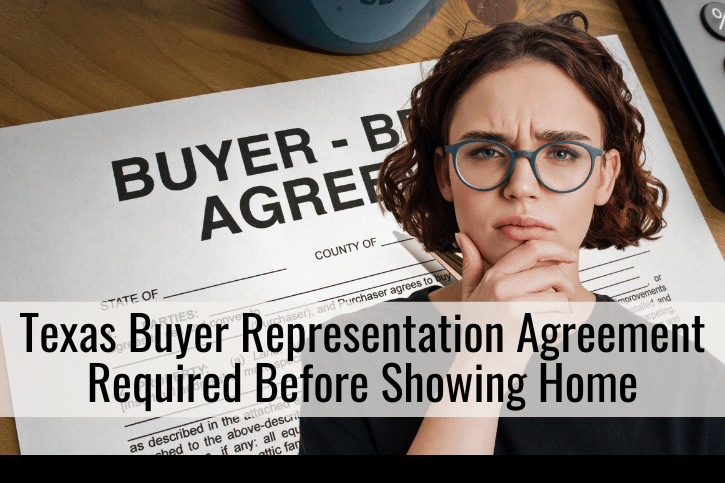
Yes. Since January 1, 2026, a Texas real estate agent has to get a signed written agreement with you before they can show you a home, and that catches a lot of buyers off guard the first time they try to just “go look” at a house. It’s not a scare tactic or a sales trick. It’s state law now, and once you understand what the agreement actually is, it’s a lot less intimidating than it sounds the first time someone hands it to you.
What the Law Actually Requires
Senate Bill 1968 took effect on January 1, 2026, and it requires Texas real estate license holders to have a written agreement with a prospective buyer before showing that buyer residential property. Before this law, an agent could walk you through a house on a whim, no paperwork required. Now, the agreement has to exist and be signed before you cross the threshold, not after you’ve decided you like the place.
This came out of the same wave of change that hit the industry nationally over the past couple of years around how buyer agents get paid and represented. Texas built its own version of the rule, and it applies to every residential showing in the state, from a $200,000 starter home to a lakefront estate.
Your Two Options: Representation or Showing-Only
Here’s the part that gets lost in most explanations of this law: signing something before a showing does not automatically mean you’ve hired that agent as your representative for the whole transaction. You actually have two paths.
The first is a full buyer representation agreement, where the agent works for you, owes you fiduciary duties, and represents your interests in negotiations. The second is a non-representation, showing-only agreement, which lets the agent show you the property without becoming your representative. It’s a much lighter commitment, essentially permission to look, not a hiring decision. Both satisfy the legal requirement. They are not the same thing, and it’s worth knowing which one you’re being asked to sign before you sign it.
What Has to Be in the Agreement
Regardless of which version you sign, Texas law requires certain terms to actually be spelled out rather than left vague. The compensation terms have to be specific, not “to be determined later.” The agreement needs a termination date, so it doesn’t quietly bind you forever. And it has to state whether the arrangement is exclusive or non-exclusive, meaning whether you’re free to also look at homes with other agents during that period.
If an agreement you’re handed is missing any of these specifics, or if the compensation section is left blank with a promise to “fill it in later,” that’s worth questioning before you sign.
What Happens if You Don’t Sign
If you refuse to sign either version of the agreement, the agent legally cannot show you the property, including at an open house where a showing agent is present. This applies across the board now, so you’ll run into it whether you’re working with a big brokerage or an independent agent. It’s a genuine change from how things worked even a year ago, and it’s one more reason it pays to have picked your agent deliberately rather than signing whatever’s put in front of you at the first open house you wander into.
Why This Isn’t Something to Be Afraid Of
I get why a legal document before you’ve even seen the kitchen feels like a lot. But the intent behind this law is actually good for buyers. It forces compensation to be discussed up front instead of buried in fine print later, and it makes clear from the start whether the person walking you through a home actually represents you or is just unlocking the door. I’d rather a buyer sign a short, honest showing-only agreement and stay in control of their own search than skip the paperwork and end up unsure who’s actually looking out for them.
If you haven’t picked a buyer’s agent yet and want to understand what actually separates a good one from someone who’s just going to unlock doors for you, I’ve laid that out in my best real estate brokers in Austin guide.
Frequently Asked Questions
Do I have to sign something before an agent shows me a house in Texas?
Yes. As of January 1, 2026, Texas law requires a written agreement, either a representation agreement or a non-representation showing-only agreement, before a licensed agent can show you residential property.
Does signing a showing agreement mean I’ve hired that agent?
Not necessarily. A showing-only agreement lets an agent show you a property without becoming your representative. A full buyer representation agreement is a separate, bigger commitment where the agent actually works for you.
Can I still tour open houses without signing anything?
No. If you refuse to sign either type of agreement, the agent cannot let you view the property, including at an open house.
What has to be included in a Texas buyer agreement?
Specific compensation terms, a termination date, and whether the agreement is exclusive or non-exclusive. Vague or blank terms in any of those areas are worth questioning before you sign.
Can I cancel a buyer representation agreement once I’ve signed it?
It depends on the termination terms written into that specific agreement, which is exactly why the termination date has to be spelled out rather than left open-ended. Read that section before you sign, not after you want out.
The paperwork isn’t the obstacle it feels like the first time you encounter it. Knowing which agreement you’re signing, and what it actually commits you to, is what makes the difference between feeling ambushed and walking in prepared.















Thank you, Robbie, for laying this out in a way that actually makes sense for regular folks trying to buy a home in Texas. Your explanation of why a Buyer Representation Agreement is required before showing a home clears up so much confusion and cuts through a whole lot of bad advice floating around out there. I especially appreciate how you framed it from a consumer protection standpoint instead of industry fluff, because buyers deserve to understand who is really on their side before they ever step foot in a house. This was straightforward, honest, and incredibly helpful, y’all did a great job making a complicated topic feel clear and practical.
Thank you, Robbie, for laying this out so clearly and honestly. The way you explained the Texas Buyer Representation Agreement and why it matters before showing a home finally made this whole change click for me. So many agents talk around this topic, but you tackled it head-on and connected the dots between consumer protection, transparency, and what buyers should really expect from representation. This post saved me from a lot of confusion and probably a few costly mistakes too, I truly appreciate the clarity and the Texas-straight talk perspective you bring to every topic.
Thank you, Robbie, for laying this out so clearly and without sugarcoating it. The way you explained the Texas Buyer Representation Agreement and why it is now required before showing a home finally made the whole change make sense, especially for buyers who have been confused by all the noise online. I really appreciate your point of view on how this actually protects consumers instead of hurting them, and how it brings more transparency and professionalism into the process. This is exactly the kind of straight talk Texas buyers need right now, and your breakdown helps people feel more confident instead of overwhelmed.