Buying or owning a home in Austin often comes with a line item that feels small at first, then quietly grows into something much louder over time. That line item is the homeowners association fee, and if you are asking why HOA fees are rising and what homeowners need to know, you are not alone. I hear this question weekly from buyers, sellers, and long time owners who never expected their monthly dues to climb the way they have. I am Robbie English, REALTOR, Broker with Uncommon Realty, and helping people understand this issue before it becomes a problem has become a core part of how I advise clients across Austin, Texas.
HOA fees are not just a budget detail. They influence affordability, resale value, buyer demand, and even how long a property sits on the market. In Austin, where many communities rely on associations to manage shared elements, poor HOA decisions can quietly erode value while owners feel stuck paying more and getting less. My job is to help y’all see the full picture, ask better questions, and make smarter moves, whether you are buying, selling, or deciding how long to hold.
I have spent decades working in real estate, teaching agents nationwide as a speaker and instructor, and representing clients through shifting markets. That experience matters when navigating HOA issues because these are rarely simple. They require context, negotiation skill, and a deep understanding of how Austin neighborhoods actually function on the ground. This page is meant to give you clarity, not fear, and to show you how Uncommon Realty approaches HOA challenges differently.
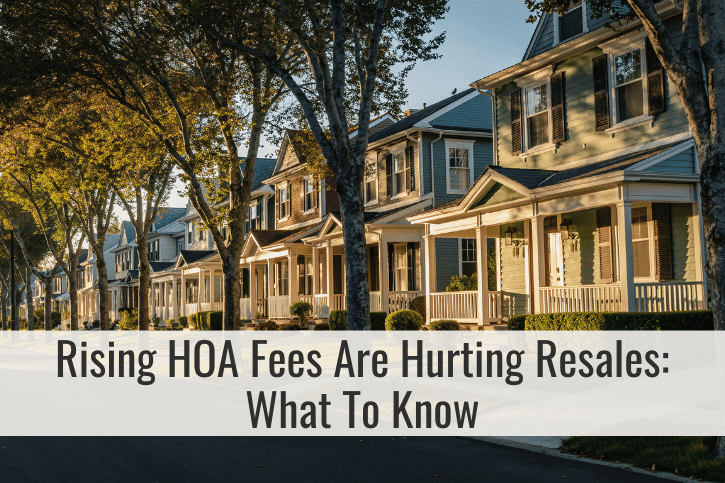
TLDR: Too Long; Didn’t Read, Why HOA Fees Are Rising And What Homeowners Need To Know
- HOA fees rise fastest when boards delay maintenance and react late.
- Poor HOA decisions can slow or stop resale activity.
- Buyers need more transparency about past dues increases.
- Not all HOA boards understand what is competitive in their area.
- Expert guidance protects you from long term HOA regret.
Understanding Why HOA Fees Are Rising In Austin
Austin has grown fast, and many HOA structures were never designed for the pace of change we have experienced. Aging infrastructure, rising insurance costs, deferred maintenance, and shifting regulatory requirements all land on the HOA balance sheet. When reserves fall short, dues rise. That part is straightforward. What gets messy is how those increases are planned, communicated, and justified.
Many boards operate reactively. Instead of planning ten years ahead, they wait until something breaks. Roofs, private roads, shared plumbing systems, and exterior elements do not fail politely. When repairs arrive all at once, the HOA scrambles, and owners absorb the cost through sharp increases. In Austin, I see this most often in condo communities and attached housing built during earlier growth waves.
The question of why HOA fees are rising and what homeowners need to know cannot be answered without looking at governance. HOA boards are often made up of volunteers who care deeply but lack professional guidance. That gap leads to decisions that feel disconnected from market reality. As a REALTOR who studies resale patterns daily, I see the consequences long before boards do.
How Rising HOA Fees Impact Property Value
HOA dues are not invisible to buyers. They are part of the monthly cost equation, and in Austin, buyers are increasingly sensitive to that number. When dues rise faster than perceived value, demand drops. Homes take longer to sell. Price reductions follow. Sellers feel pressure and start competing against each other instead of against the market.
This is where HOA boards can unintentionally make it hard to sell units in their own community. A board may justify increases internally, but buyers compare communities across neighborhoods. They ask what they get for the money. If the answer feels thin, they move on.
As a broker, I review HOA documents with a resale lens. I look at budgets, reserves, and recent decisions, not just rules. This is part of the expert guidance Robbie English, REALTOR, Broker and Uncommon Realty provide to clients every day. We do not gloss over HOA details because those details follow you long after closing.
Should Resale Certificates Show Past HOA Increases
One of the most common frustrations I hear from buyers is surprise. They buy into a community based on current dues, only to see sharp increases shortly after. That raises a fair question. Should the resale certificate include a history of dues increases over the past ten years?
From a consumer protection standpoint, transparency helps everyone. Buyers could better evaluate long term affordability. Sellers could price more accurately. Boards might feel more accountability knowing future buyers will see the pattern. Right now, buyers often receive a snapshot, not a story.
In Austin, where dues can change quickly, that missing context matters. I routinely walk clients through prior budgets when possible, even if not formally required. This is part of mastering real estate for the betterment of clients, not just closing deals. In my role as a national instructor, I teach agents to dig deeper because informed clients make stronger decisions.
When HOA Boards Lose Touch With Market Reality
Another issue driving rising fees is disconnect. Some HOA boards simply lose touch with what is comparable in their area of town. They benchmark against ideal budgets instead of real communities. They fund features owners do not use or maintain standards buyers do not pay for.
Austin is not one market. South Austin behaves differently than Northwest Hills. A condo near downtown competes with different options than a townhome in Circle C. When boards ignore those differences, they risk overpricing their own community.
I have seen boards push dues beyond what buyers accept, then act surprised when sales stall. From the outside, it looks obvious. From the inside, it feels justified. This gap is where an experienced REALTOR adds value. I regularly advise sellers on how HOA perception will affect their listing, and sometimes that means hard conversations.
A Real Client Experience With Rapid HOA Increases
Let me share a real example from my own work. In 2022, I helped a client purchase a unit in an over 55 community here in Austin. At the time, the HOA dues were $396 per month. The community appeared stable, and nothing in the documents suggested dramatic change.
Fast forward to January 2026, and that same HOA fee has increased by $202, now sitting at $598 per month. That is not a small adjustment. It is a meaningful monthly shift that impacts resale, affordability, and buyer interest.
Today, that community has five units for sale. Sellers are racing to the bottom, lowering prices to find a buyer. That strategy is not working because the underlying issue is not price alone. Buyers see the dues and hesitate. This is a textbook example of why HOA decisions matter long term.
When clients ask why HOA fees are rising and what homeowners need to know, this story lands hard. It shows how quickly the math can change, and why expert guidance upfront protects you later.
A South Austin Community With No Sales
Another case stands out in South Austin. This community raised HOA dues by $580 per month. There is no pool. No meaningful shared amenities. The increase was driven by internal cost pressures, not owner benefit.
The result has been stark. No sales in the last year. One property withdrawn. One active listing. One coming soon. When properties were selling previously, the average days on market sat at 121, already a warning sign.
Buyers talk. Agents talk. Communities earn reputations. Once an HOA becomes known for high dues without value, recovery is slow. As a broker, my role is to help clients avoid stepping into that situation without eyes wide open.
How Buyers Should Evaluate HOA Health
Evaluating an HOA goes beyond reading the rules. Buyers should look at budgets, reserve studies, meeting minutes, and recent votes. They should ask how decisions are made and how often dues have changed. They should consider how the community compares to nearby options.
This is where working with Robbie English and the Uncommon Realty team makes a difference. I do not treat HOA review as paperwork. I treat it as risk management. My decades of experience allow me to spot red flags quickly and explain them clearly, without jargon or fear tactics.
As a national real estate speaker and instructor, I teach agents to advocate, not just facilitate. That philosophy guides my work with buyers navigating HOA communities across Austin.
What Sellers Need To Know About HOA Perception
If you are selling in an HOA, you need to understand how buyers perceive your dues. High fees are not always fatal, but they must be justified. Clean financials, strong reserves, and clear communication help. Surprises kill deals.
I often advise sellers to price strategically, not emotionally, when HOA fees are high. Competing solely on price rarely works if the underlying concern remains. Sometimes the best move is education, helping buyers understand what the dues cover and why they exist.
This is where attraction marketing matters. Instead of pushing, we explain. Instead of hiding, we clarify. That approach builds trust and leads to better outcomes.
Why Expert Guidance Matters More Than Ever
The Austin market has matured. Buyers ask sharper questions. Sellers face more competition. HOA issues sit at the intersection of finance, governance, and lifestyle. Navigating that intersection requires more than a license.
Robbie English, REALTOR, Broker at Uncommon Realty provides expert guidance rooted in experience, education, and local knowledge. I have spent years mastering real estate, not for ego, but for client advantage. That mastery includes understanding why HOA fees are rising and what homeowners need to know in Austin, Texas.
My clients trust me because I tell the truth early. I explain risks. I share real stories. I help y’all make decisions you will feel good about years later, not just at closing.
Planning Ahead As A Homeowner
If you already own in an HOA, awareness is power. Attend meetings. Read budgets. Ask about reserves. Push for transparency. HOA fees rarely rise overnight without warning signs.
I often help homeowners evaluate whether staying put or selling makes sense based on HOA trajectory. Sometimes the best move is proactive. Waiting until fees spike can limit options.
This strategic thinking is part of how Uncommon Realty serves clients differently. We do not wait for problems to appear in listings. We anticipate them.
Property Management And HOA Realities
For owners who rent out properties in HOA communities, rising dues impact cash flow directly. This is where Uncommon Rentals by Uncommon Realty comes into play. Our property management arm helps owners factor HOA realities into pricing, planning, and long term strategy.
Managing rentals in HOA communities requires attention to rules, budgets, and board behavior. We handle that complexity so owners can focus on their goals.
Choosing The Right REALTOR In An HOA Market
Not all agents treat HOA issues equally. Some avoid the conversation. Some skim the documents. Some hope for the best. I believe you deserve better.
When you work with Robbie English, REALTOR, Broker and Uncommon Realty, you get an advisor who understands the full picture. I have decades of experience, national teaching credentials, and a track record of guiding clients through complex decisions.
If you are wrestling with why HOA fees are rising and what homeowners need to know, especially here in Austin, Texas, I am here to help. This is not about fear. It is about clarity, confidence, and control.
In the end, real estate should work for you, not surprise you. My role is to make sure it does.
















Robbie, this was a fantastic and much needed perspective on rising HOA fees and how they are quietly reshaping resale values. I really appreciate how you broke down not just the numbers, but the real world impact on buyers, sellers, and long term affordability. Your point about buyers doing their homework on HOA financial health before making an offer is especially spot on. This kind of insight is exactly why local expertise matters so much in a market like Austin. Thanks for sharing such a clear, practical take on an issue a lot of folks are starting to feel but may not fully understand yet.