When a lender orders an appraisal, the appraiser’s notebook becomes the story of your home. A tidy space, clear paperwork, and easy access can lift that story enough to meet or beat your asking price. Below are the essential items to line up before the appraiser walks in.
1. Robbie English, REALTOR, Broker
I’ve helped dozens of Austin families sell homes, and I know the paperwork that makes an appraiser sit up straight. I put together a one‑page improvement summary that lists each upgrade, its completion date, and cost. The appraiser sees the value you’ve added without guessing.

Want a quick primer on why an appraisal matters? Check out What Is a Home Appraisal and Why Is It Important? on my blog.
Robbie’s approach works best when you hand the appraiser a neat packet at the front door. It saves time and shows you’ve organized the facts.
When I walk through a property, I also note any unpermitted work and suggest a quick retro‑permit if needed. That extra step can turn a “no value” note into a counted square foot.
Key Takeaway: A clear, dated upgrade list lets the appraiser apply the right adjustments without extra research.
2. Recent Comparable Sales From the Immediate Austin‑Area Market
The appraisal’s core is the sales‑comparison approach. The appraiser pulls three to six recent sales within a mile and 90 days, then adjusts for differences.

Seeing how similar homes sold helps the appraiser set a realistic market base. I pull the data, print a side‑by‑side grid, and highlight why your home is a good match.
For a deeper look at Austin market dynamics, read the Austin Home Sellers Guide. It explains local price trends and why recent comps matter.
In a 2026 market where price reductions are common, a well‑chosen comp can be the difference between a gap and a smooth closing.
, lenders charge varying amounts for a standard single‑family appraisal and the report returns in about 8 business days.Source
Make sure each comparable is truly comparable, similar size, condition, and amenities. Small differences get adjusted, but big gaps can pull the value down.
3. Legal Square Footage, Permits, and Inspection Records
Appraisers can’t count space that isn’t legally finished. Unpermitted additions stay off the living‑area total, which can shave thousands off the value.
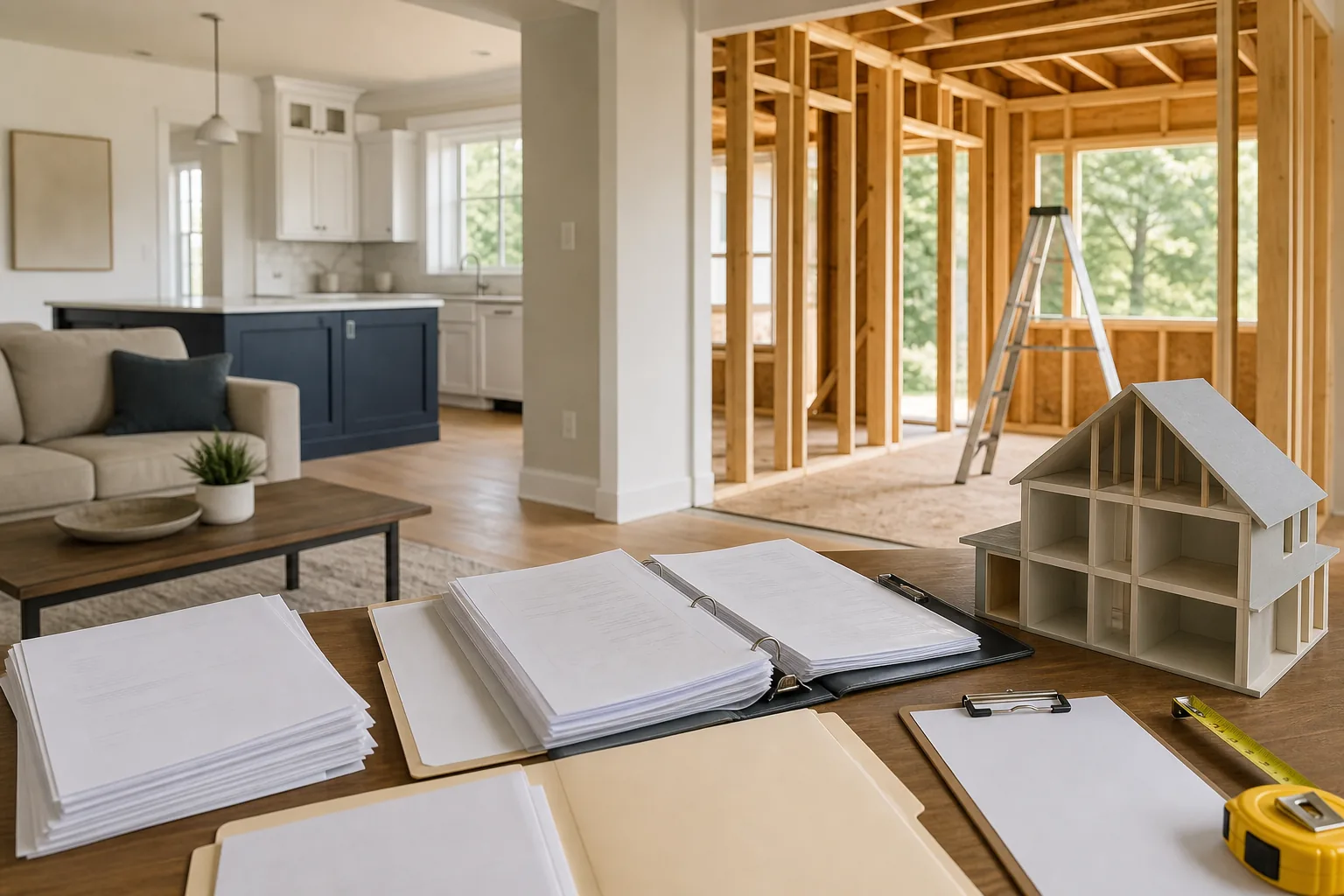
Gather any building permits, inspection reports, and warranties for major work. Hand them to the appraiser so they see the space is approved and safe.
If a kitchen remodel never got a permit, the appraiser will note the work but won’t add square footage. That’s why I always ask my clients to pull the permit file early.
Review the permit file for any unpermitted areas.
When you walk the appraiser through the attic or a finished basement, point out the permit numbers on the walls. It saves them a phone call and keeps the report clean.
4. HOA Amenities, Assessments, Restrictions, and Property Details
Homeowners association fees, pool access, and deed restrictions all affect market perception. An appraiser notes them in the “site” section and may adjust the value.

Prepare a one‑page summary of HOA dues, recent special assessments, and any community rules that impact use of the property.
My clients often forget to include a copy of the HOA’s financial statement, which can reassure the appraiser that the community is well‑managed.
For a ready‑made template, see my Seller’s Home Preparation Checklist.
Remember, a restrictive covenant that limits future additions can lower the appraisal, while premium amenities like a community pool can boost it.
Pro Tip: List any recent upgrades to shared spaces, new landscaping, upgraded lighting, or a renovated clubhouse, to give the appraiser extra positive data.
5. Deep Cleaning, Decluttering, and Functional Room Presentation
A spotless home lets the appraiser see finishes, fixtures, and square footage without distraction. I tell sellers to focus on high‑traffic areas first: kitchen counters, bathroom sinks, and living‑room floors.

Remove personal items, excess furniture, and any clutter that hides wall space. Open blinds to let natural light in; a bright room feels larger.
Professional cleaning isn’t required, but a carpet‑shampoo or window‑wash can make a big visual difference.
For a detailed checklist, create a room-by-room preparation list.
When the appraiser snaps photos, they’ll capture a tidy space. Those photos travel to the lender, influencing their perception of condition.
Keep a small box of everyday items, like a few books or a vase, so rooms still look lived‑in but not overcrowded.
6. Visible Interior and Exterior Repairs Before the Appointment
Small defects, leaky faucets, cracked tiles, missing handrails, can drag the condition rating down. I advise fixing anything the appraiser can see without digging.
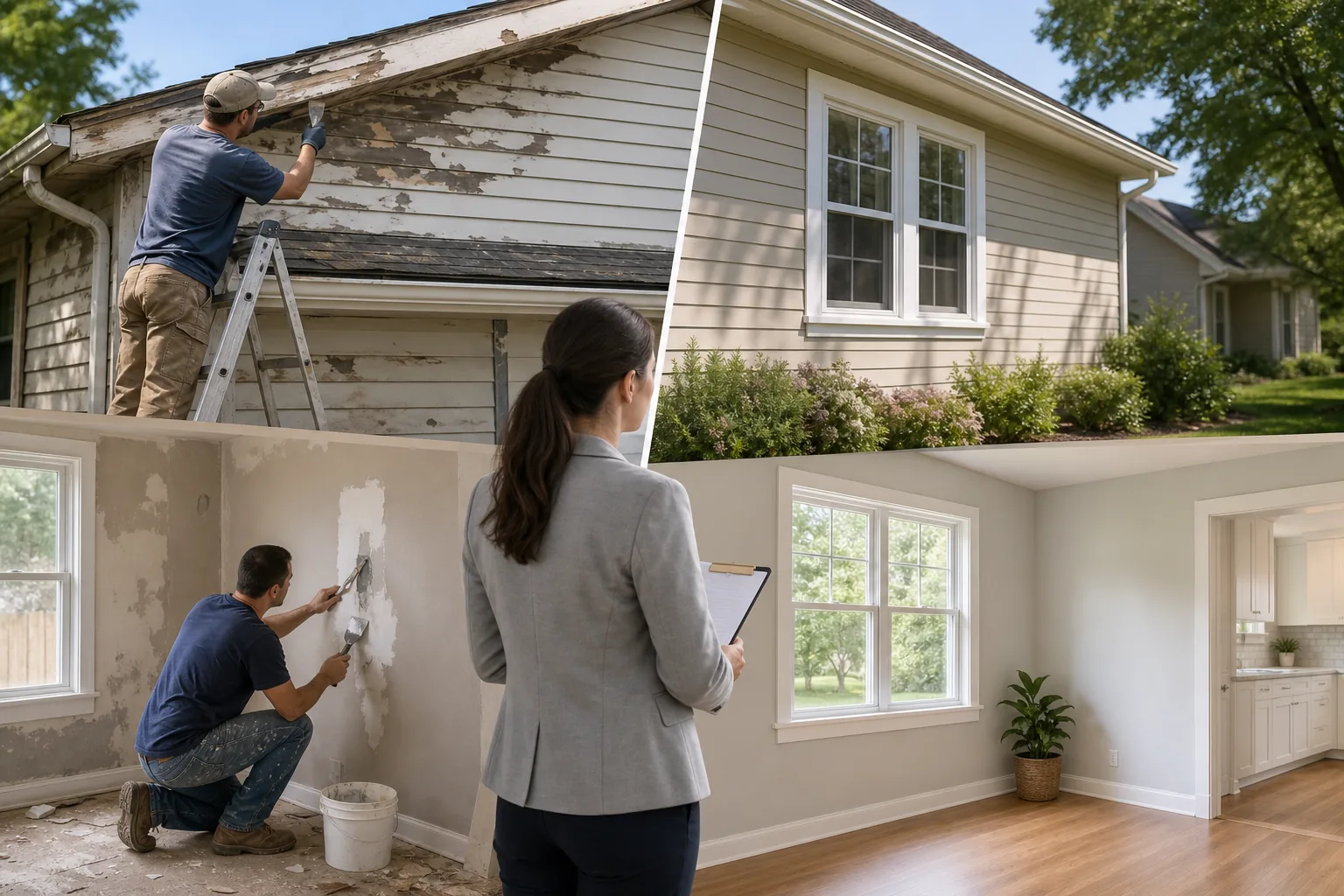
Start with safety issues: broken steps, exposed wiring, or water stains. Then move to cosmetic fixes like chipped paint or a cracked driveway.
Addressing visible repairs before the appraisal can make the home’s condition clearer and help prevent negative notes.
My own repair‑priority guide helps clients decide what to tackle first. Home Repair Priorities Guide
When you hand the appraiser a repair receipt, it shows you’ve taken care of the issue, which can soften any negative notes.
What to Look For When Preparing: An Appraisal‑Day Checklist
- Gather permits, warranties, and a one‑page upgrade list.
- Print 3‑5 recent comparable sales with notes on why they match.
- Ensure all doors, windows, and attic accesses are unlocked.
- Turn on all lights and open blinds for maximum brightness.
- Do a final walk‑through: look for loose railings, water stains, or broken fixtures.
- Place the paperwork packet on the kitchen counter for the appraiser to see first.
Following this checklist helps the appraiser move quickly and record the home’s best attributes.
Frequently Asked Questions About Preparing for a Home Appraisal
Do I need to be at home when the appraiser arrives?
Yes, it’s best to be present. You can answer quick questions, point out finished spaces, and hand the upgrade packet directly to the appraiser.
Can I request a specific appraiser?
No, the lender assigns the appraiser through an AMC, and you must work through the lender’s process.
How long does an appraisal usually take?
In Austin, the on‑site visit lasts 30 to 60 minutes, and the written report returns in about 5 to 10 business days.
What if the appraisal comes in low?
You have three options: negotiate a price reduction, request a Reconsideration of Value with supporting comps, or cover the gap with cash.
Should I pay for a professional cleaning service?
It’s optional, but a deep clean can improve the visual impression and help the appraiser see the home’s condition clearly.
Conclusion
Start with a clean, well‑documented home and give the appraiser easy access to every room. Need a personalized walkthrough? Reach out and we’ll set up a plan that fits your timeline.