In a Texas home sale, the contract usually decides who pays for the survey. The seller may have to provide an acceptable prior survey or pay for a new one, but the buyer can be responsible under other contract terms.
I separate two questions: who arranges the survey, and who pays the bill. They aren’t always the same person.
Who Usually Pays for a Survey in a Texas Home Sale?
There isn’t one statewide rule that makes the buyer or seller pay in every home sale. The signed purchase contract controls. In the commonly used Texas residential contract, Paragraph 6C addresses the survey, including whether the seller will provide an existing one and what happens if a new survey is needed.
Under Paragraph 6C(1), the seller must furnish an existing survey and affidavit to the buyer and title company within the time specified in the contract. Read the actual checked boxes and deadlines in your signed version, rather than relying on what a friend paid in another transaction.
That distinction matters when the seller’s survey is missing, out of date, or rejected by the title company or lender. The contract may require the buyer to arrange the replacement while assigning its cost to the seller. Ordering and paying are separate jobs.
In other cases, the buyer may agree to pay for a new survey. The parties can also negotiate who pays before signing. If you’re weighing that cost alongside other buyer expenses, my Austin closing cost guide explains how several expenses can depend on the agreement.
When I help buyers and sellers in Greater Austin, I look at the survey clause with the rest of the deal. A small cost term can affect a deadline, a lender’s approval, or the amount each side brings to closing. I don’t assume the usual practice is the deal’s actual rule.
Texas Contracts, Survey Requirements, and Lender Rules
A survey helps show where the property lines fall and where visible improvements sit in relation to them. A purchase contract can require the seller to deliver an existing survey and a related affidavit by a stated deadline. If that survey can’t be used, the contract’s other terms guide what happens next.
Paragraph 6C has different parts for providing a survey, dealing with one that isn’t accepted, and allocating the cost of a new survey. The exact wording and checked options matter. Texas Real Estate’s contract discussion of residential surveys describes why the parties should follow those provisions instead of assuming the buyer always pays.
A lender or title company may review the survey as part of its own requirements. If it rejects an existing survey, a new one may be needed before the transaction can move forward. That doesn’t by itself settle who pays. Check the contract’s cost terms, then confirm with the title company what it will accept and with the lender what it requires.
For insurance-related transactions, don’t assume a home-purchase clause automatically governs. Review the applicable requirements with the Texas Department of Insurance. Don’t treat a refinance or other insurance transaction as if it were automatically governed by a home-purchase clause.
One more point: the person who orders the survey may need to coordinate access to the property and get the report to the right parties. If you want a plain-language overview of what a survey shows in a purchase, I explain that in my guide to real estate surveys for Texas buyers.
Before you sign, agree on who will order the survey, who pays if a new one is needed, and when it must be delivered. Clear terms can prevent a last-minute dispute.
Survey Scope and Typical Texas Costs
The word “survey” can mean different work, depending on the property and the question being answered. A survey may show property lines and the location of improvements. Other surveys may include information about the land’s surface or provide more detail for a particular transaction.
For a typical home purchase, the contract and the lender or title company’s needs help define what kind of survey will work. Don’t order a more detailed survey just because its name sounds thorough. Ask what the report must show, who needs to approve it, and whether an acceptable prior survey can meet that need.
There isn’t one flat survey fee for every Texas property. The quote can depend on the size and shape of the parcel, how clear the records are, the survey scope, and the time available. A compact platted lot and a large acreage tract don’t call for the same field work. If the property has additions or features that need to be shown, ask how that affects the scope.
For a resale in a platted subdivision, a previous survey dated within 24 months of closing may be usable if it bears the original seal and signature of a Registered Professional Land Surveyor. The survey must also meet the other conditions for use in the transaction.
Ask for a written quote that states the survey type, what the report will include, the expected delivery date, and any terms for added work. Then compare that scope with the contract and lender request. A low quote doesn’t help if it leaves out something needed for approval.

I also suggest making sure everyone uses the same survey terms. A survey showing property lines isn’t automatically the same as one with topographic information, and neither description alone tells you whether a lender or title company will accept the work. Get that acceptance question answered before an order is placed.
From Ordering to Final Report: Timing and What to Check
The survey process starts with the contract, not with a guess about which party usually pays. The order should match the contract deadline and the report requirements. In Austin and nearby Central Texas communities, access and the amount of field work can affect the schedule, so I encourage clients to sort out the survey early.
- Read the survey terms. Find who must provide or order the survey, who pays, and when it is due. Check what the contract says if the existing survey is rejected.
- Confirm what is needed. Ask the title company and lender what survey type or details they need. Confirm whether they’ll review an existing survey before you rely on it.
- Arrange the order and property access. The responsible party should give the surveyor the property address and relevant records, then coordinate access as needed. Confirm the scope and expected delivery date in writing.
- Review the report promptly. Check that it identifies the property and shows the features needed for the transaction. Send it to the title company and lender for review before the closing date becomes tight.
- Resolve issues through the right channel. If the report raises a concern, ask the title company what it means for title coverage. Bring contract questions to your real estate representative and technical questions to the surveyor.
Delivery deadlines vary with the contract. The timing can range from just days before closing to several weeks after the contract is signed, depending on the terms. Don’t rely on a general timeline from another sale. Put the actual deadline on your calendar and leave room for review or a replacement survey.
When the report arrives, check that it covers the correct parcel and reflects visible improvements. Review the report for the property information needed for the transaction. A survey is a map, not a promise that every title, building, or legal question has been resolved.
If you’re selling, locate any survey and related affidavit early, then ask whether the title company can review them. My Austin home seller guide also covers survey and ownership matters that can come up before closing.
What Survey Findings Can Mean for the Sale and Ownership
A survey can show that a fence, driveway, shed, or other improvement sits near or across a boundary line. It may also show an easement or a feature that doesn’t match what a buyer expected. A mark on the drawing doesn’t decide who owns the improvement or settle a legal dispute, but it can tell you what needs a closer look.
For example, imagine a fence appears to cross a boundary line. Don’t assume the neighbor must move it, or that the survey alone resolves the issue. Ask the surveyor to explain the drawing, then ask the title company or a qualified legal professional about the next question. Keep the contract’s deadlines in view while you sort it out.
A finding may affect whether the title company will issue coverage as planned or whether the lender needs more information. It can also lead the parties to discuss a change before closing. The contract, title review, and any legal advice each play a different part, so I avoid treating a survey note as a final ruling.
Some findings can matter after the sale, too. An easement may affect where an owner can place a future improvement. A boundary question may call for more review before a fence or other work begins. If a report raises a point you don’t understand, don’t rely on a guess or an old drawing. Ask the surveyor what the symbols and notes mean.
For help understanding the map itself, my article on how to read a Texas property survey explains common lines, easements, and features. I represent buyers and sellers across Greater Austin, and my role is to help clients understand the contract and the decisions around the transaction. A surveyor interprets the survey work; I help you see how the survey issue fits into the real estate deal.
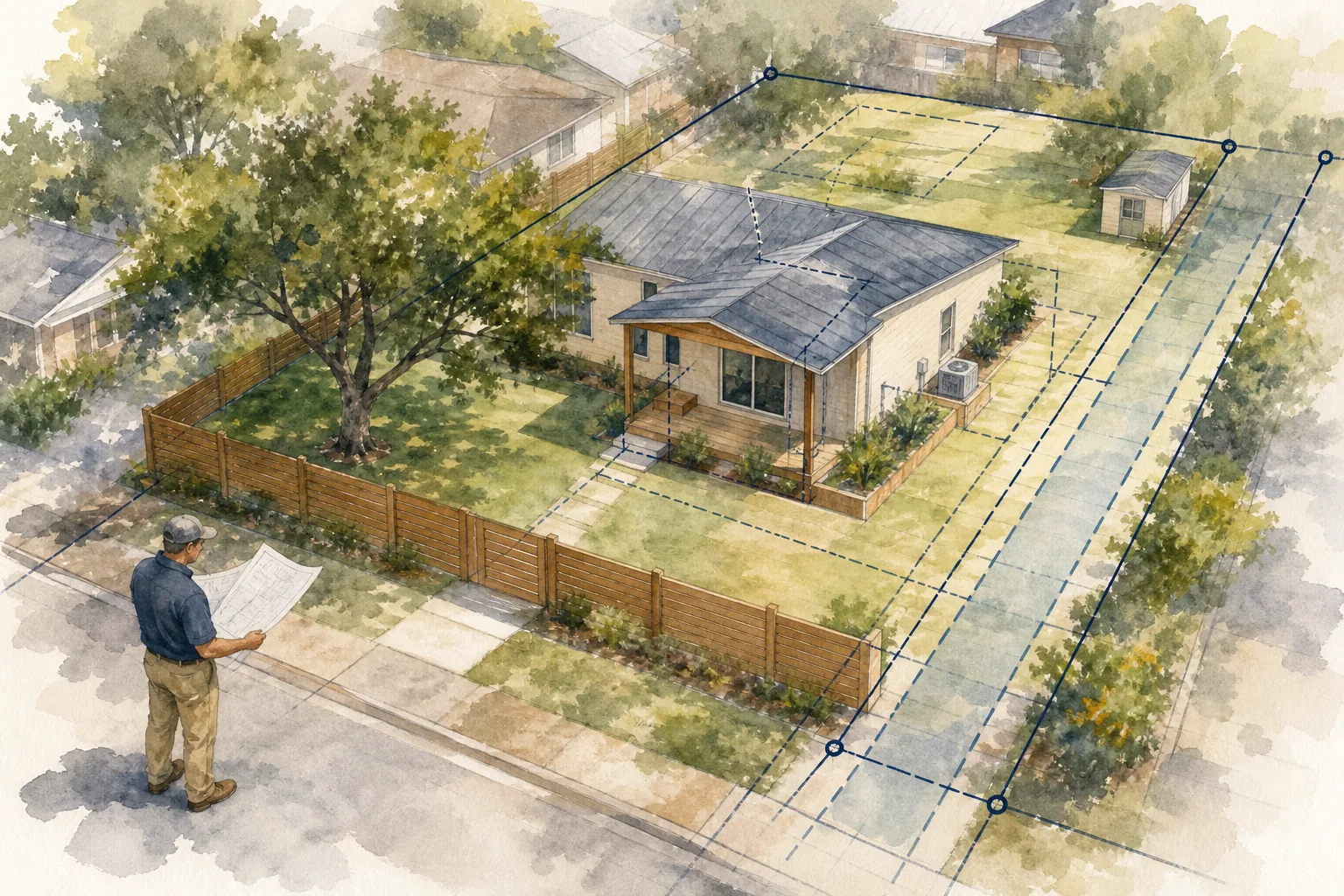
When a report points to a possible boundary or access issue, pause before making assumptions. First get the drawing explained. Then find out what the contract and title review require.
Texas Survey Payment FAQ
Does the buyer or seller usually pay for a survey in Texas?
The contract decides who pays, so neither side is always responsible. In some Texas residential contracts, the seller must provide an existing survey or pay for a new one if the contract’s conditions apply. Other terms can put the cost on the buyer. Read the signed survey paragraph and its checked options rather than relying on a general rule.
If the buyer orders the survey, does the buyer have to pay?
No, ordering the survey doesn’t automatically make the buyer responsible for its cost. A contract can require the buyer to arrange a replacement survey while assigning payment to the seller. Check who must order it, who pays, and the deadline as separate terms. If the language is unclear, ask your real estate representative or an attorney to explain the contract.
Can a seller’s old survey be used for a Texas home sale?
Sometimes. The title company and lender may need to accept it, and the contract may require an affidavit or other conditions. A prior survey that’s acceptable for one sale may not meet the needs of another. Ask the title company to review the specific survey early, before you assume it will replace a new order.
Can a lender require a new survey in Texas?
A lender may require a survey or reject one already available. If that happens, a new survey may be needed for the loan or title process. The lender’s requirement doesn’t automatically decide who pays. Look at the purchase contract’s survey terms and confirm the required scope with the lender and title company.
What should I do if a survey shows a boundary problem?
Ask the surveyor to explain what the drawing shows, then contact the title company about any effect on title coverage. Don’t assume the map alone decides ownership or requires a neighbor to act. If the issue could affect the contract or property rights, get legal advice. Also note any contract deadline while you review the finding.
Conclusion
Don’t assume the buyer or seller pays just because that’s what happened in another Texas sale. Read the survey clause, confirm what the lender and title company will accept, and agree on the order and payment terms before a deadline gets close. If you’re buying or selling around Austin, I, Robbie English, REALTOR, Broker at Uncommon Realty, can help you understand how the survey terms fit into your contract.