Since COVID, commute time has become a much bigger factor for home buyers than it used to be. With more people working remotely at least part of the week, where a home sits relative to the office matters differently than it did five years ago.
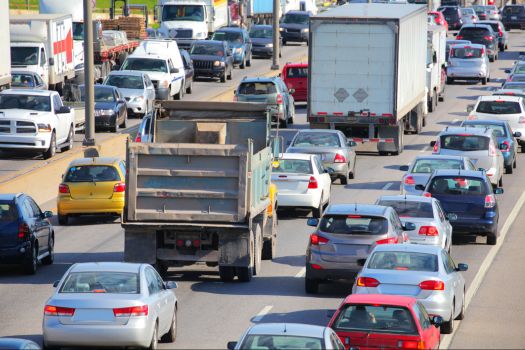
Recent data backs this up. 63 percent of prospective buyers say commuting costs factor into their decision. For the other 37 percent, it’s not a primary concern, but the majority clearly weigh it now.
Heating and cooling costs are the environmental feature buyers care about most, no matter what region they’re in — 82 percent say it’s at least somewhat important. That makes sense: energy-efficient systems cut monthly utility bills, which buyers notice fast. Windows, doors, and siding matter too, though to a lesser degree, and recent buyers still bring them up when weighing a home.
There’s also a pattern by home age: buyers looking at older homes tend to put less weight on energy-efficient features than buyers shopping for new construction. It’s not that older-home buyers don’t care, but the priority shifts.
Bottom line: commute time is now a bigger piece of the decision than it was before the pandemic. If you’re house hunting, it’s worth thinking through what your actual commute will look like — not just distance, but time in the car, transit access, and how close you’ll be to the places you actually go.
Statistical Source: National Association of REALTORS’ 2023 ‘Home Buyer and Seller Profile’
You Might Also Find These Helpful
- search current homes for sale
- schedule a buyer consultation
- get pre-approved for a mortgage
- Top Reasons to Buy a Home Instead of Renting